
Understanding Cardboard Production Lines: A Comprehensive Overview
Aug 10,2024
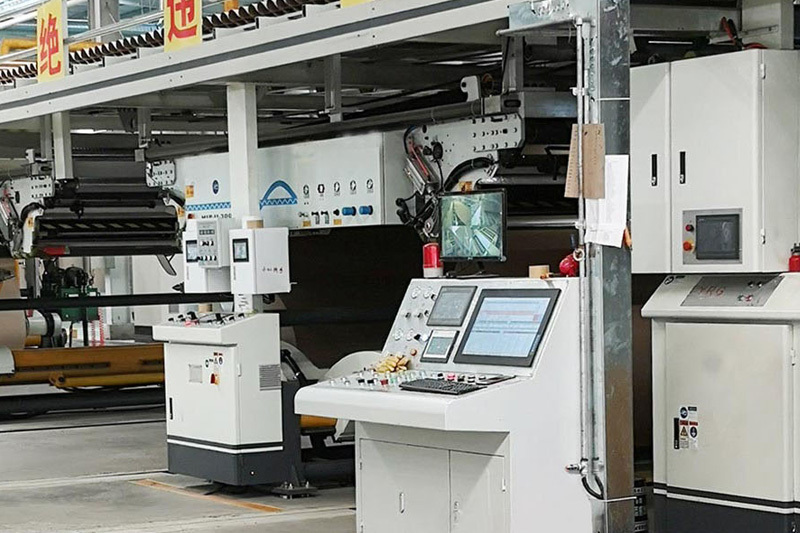
Cardboard production lines are specialized manufacturing setups designed to convert raw materials into cardboard sheets and products. These lines play a crucial role in the packaging machinery industry, especially as demand for sustainable and efficient packaging solutions continues to rise. Understanding how these production lines function can significantly benefit professionals within the manufacturing and packaging sectors.
At the core of a cardboard production line lies a series of interconnected processes that transform pulp into cardboard. This begins with the collection of raw materials, often recycled paper or wood pulp, which undergoes various treatments to produce the desired paper quality. The production line typically includes several key components such as pulping machines, forming machines, drying sections, and cutting units. Each part is meticulously engineered to ensure efficiency and minimize waste throughout the production cycle.
One of the primary advantages of modern cardboard production lines is their ability to enhance operational efficiency. Automation technology integrated into the production lines allows for precise control over various parameters including speed, temperature, and pressure. This not only reduces the manual labor required but also significantly increases output, enabling manufacturers to meet high-volume demands without compromising quality.
Sustainability is another pivotal aspect of cardboard production lines. With growing environmental concerns, many manufacturers are seeking ways to reduce their carbon footprint. Cardboard production lines can be optimized to use less water and energy, and by utilizing recycled materials, they contribute to a circular economy. The ability to produce biodegradable packaging solutions positions these production lines as a vital component in the quest for sustainable manufacturing practices.
Moreover, the versatility of cardboard makes it an ideal choice for numerous applications, from boxes and containers to custom packaging solutions. The production line can be adjusted to create various thicknesses and grades of cardboard, catering to diverse market needs. This adaptability ensures that businesses can respond effectively to changing consumer preferences while maintaining operational flexibility.
In conclusion, understanding the workings of a cardboard production line is essential for professionals in the manufacturing and packaging industries. These lines not only streamline the production process but also promote sustainability and adaptability. By investing in advanced cardboard production technologies, companies can enhance their efficiency, reduce environmental impact, and better serve their customers in an increasingly eco-conscious market.
Related Posts

Two methods of repairing hydraulic waste paper packer

Why is waste paper packing machine an environmental protection machine with superior performance
Contact Us
E-mail :
fengwei666@hbfwbzjx.cn
Phone/WhatsApp:
+86-15350765366
Address:
Dongguang county south industrial zone, cangzhou city, hebei province


Packaging machinery solutions,
Equipment and accessories for any industry.

Call Us On:
Tel: +86-15350765366
Dongguang county south industrial zone, cangzhou city, hebei province
Catalog