
Common Mistakes to Avoid When Using Fitter Plate Type Dust Collectors
Jan 02,2025
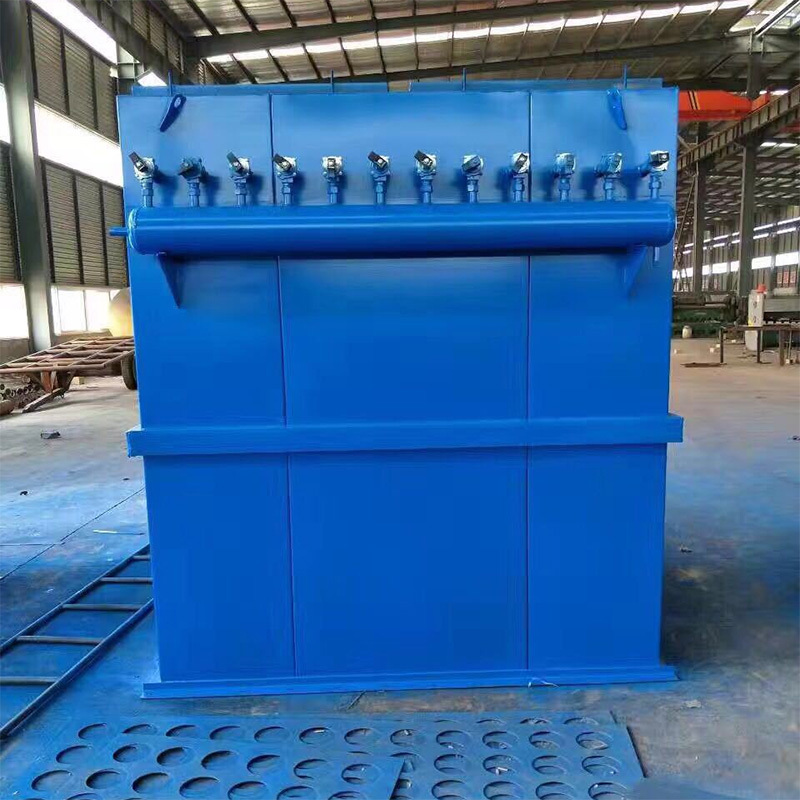
Common Mistakes to Avoid When Using Fitter Plate Type Dust Collectors
Dust collection systems are essential components of many industrial processes, particularly those involving handling, grinding, or processing dust-generating materials. **Fitter plate type dust collectors** are known for their efficiency and effectiveness in maintaining clean air in workplaces. However, despite their advantages, many users encounter issues that stem from common mistakes in their operation and maintenance. This article aims to highlight these pitfalls and offer solutions to help users maximize the benefits of their dust collectors.
Table of Contents
1. Introduction to Fitter Plate Type Dust Collectors
2. Understanding Dust Collectors: How They Work
3. Common Mistakes to Avoid
- Inadequate Installation Procedures
- Neglecting Regular Maintenance
- Incorrect Filter Selection
- Overloading the Dust Collector
- Poor Airflow Management
4. Best Practices for Fitter Plate Type Dust Collectors
5. Troubleshooting Tips for Common Issues
6. Frequently Asked Questions
7. Conclusion
Introduction to Fitter Plate Type Dust Collectors
Fitter plate type dust collectors are highly effective in industries like woodworking, metalworking, pharmaceuticals, and food processing. They utilize a series of filter plates to capture dust particles from the air, ensuring a cleaner environment. Understanding how to operate these systems correctly is crucial for maximizing their effectiveness and ensuring compliance with health and safety standards.
Understanding Dust Collectors: How They Work
Dust collectors work by drawing air through a series of filters or filter media designed to capture particulates. In fitter plate dust collectors, the filter plates are typically made of fabric or other porous materials that allow air to pass while capturing dust and particulate matter. The efficiency of these systems largely depends on air velocity, filter maintenance, and overall system design.
### Key Components of Fitter Plate Dust Collectors
- **Filter Plates:** The main component that captures dust particles.
- **Fan and Motor:** Responsible for airflow within the system.
- **Dust Collection Bin:** Where captured dust is stored until disposal.
- **Control System:** Manages the operation and efficiency of the dust collector.
Common Mistakes to Avoid
Utilizing fitter plate type dust collectors effectively requires an understanding of potential mistakes that can undermine system performance. Below are some common pitfalls and suggestions to avoid them.
Inadequate Installation Procedures
One of the most significant mistakes made with fitter plate type dust collectors is improper installation. **Installation errors** can lead to inefficient dust capture and even system failure.
- **Ensure Proper Sealing:** All connections should be airtight to prevent leaks.
- **Follow Manufacturer Guidelines:** Adhere strictly to installation instructions provided by the manufacturer.
- **Check Alignment:** Ensure that all components are aligned correctly to prevent undue stress on parts.
Neglecting Regular Maintenance
Regular maintenance is crucial for the longevity and efficiency of dust collectors. Neglected systems can lead to performance degradation, increased energy costs, and potential safety hazards.
- **Schedule Regular Inspections:** Implement a maintenance schedule to check for wear and tear.
- **Clean Filter Plates:** Ensure filter plates are cleaned regularly to maintain airflow efficiency.
- **Monitor Performance Metrics:** Keep track of pressure differentials and airflow rates to identify issues early.
Incorrect Filter Selection
Choosing the wrong filter type can severely impact the efficiency of dust collectors. Each application has specific requirements based on the type of dust generated.
- **Understand the Dust Characteristics:** Analyze the size and composition of the dust particles generated in your process.
- **Consult with Experts:** Seek advice from manufacturers or filtration experts to choose the appropriate filter media.
Overloading the Dust Collector
Overloading occurs when the volume of dust exceeds the collector’s designed capacity. This can lead to reduced efficiency and increased wear and tear.
- **Monitor Dust Load:** Regularly assess the volume of dust being collected to ensure it remains within limits.
- **Implement a Pre-collector:** In high-dust applications, consider adding a pre-collector to reduce the load on the main system.
Poor Airflow Management
Effective airflow is essential for the proper functioning of fitter plate type dust collectors. Poor airflow can result in inadequate dust capture and increased energy usage.
- **Maintain Clear Ductwork:** Ensure that ductwork is free of obstructions that can impede airflow.
- **Optimize Duct Design:** Design duct systems to minimize bends and turns, promoting smooth airflow.
Best Practices for Fitter Plate Type Dust Collectors
To ensure optimal performance of fitter plate type dust collectors, adopt the following best practices:
- **Regular Training for Staff:** Ensure that all personnel are trained in the proper use and maintenance of dust collectors.
- **Utilize Monitoring Technologies:** Invest in sensors and monitoring systems to track the performance of dust collectors in real-time.
- **Document Maintenance Activities:** Keep detailed records of all maintenance and inspections to anticipate future needs.
Troubleshooting Tips for Common Issues
Even with the best practices in place, issues may still arise. Here are some troubleshooting tips to address common problems:
- **Reduced Airflow:** Check for blockages in the ductwork or filter media. Inspect the fan for operational issues.
- **Increased Dust Emissions:** Ensure filters are clean and not overburdened. Consider upgrading to a higher-efficiency filter.
- **Unusual Noises:** Investigate the source of noise, which could indicate a mechanical issue with the motor or fan.
Frequently Asked Questions
**1. What are the signs that my fitter plate type dust collector needs maintenance?**
Look for reduced airflow, increased dust emissions, or unusual noises coming from the unit.
**2. Can I use multiple filters in a fitter plate type dust collector?**
Yes, using multiple filters can enhance dust capture efficiency, but ensure they are compatible with the system.
**3. How often should I clean the filter plates?**
Cleaning frequency depends on dust levels in your application, but regular checks are recommended every few weeks.
**4. What should I do if my dust collector is overloaded?**
Immediately reduce the load by stopping the process generating dust and assess the system's capacity.
**5. Are there any industry standards for dust collection systems?**
Yes, various standards exist, including those from the EPA and OSHA, outlining requirements for air quality and pollution control.
Conclusion
Fitter plate type dust collectors play a crucial role in maintaining air quality and ensuring compliance with safety standards in industrial settings. By avoiding common mistakes such as inadequate installation, neglecting maintenance, and poor airflow management, users can significantly enhance the performance and lifespan of these systems. Implementing best practices and regularly monitoring system performance will lead to operational efficiency and a safer working environment. Understanding these vital aspects will empower industry professionals to optimize their dust collection systems and avoid the pitfalls that can lead to costly downtime and inefficiencies.
PREVIOUS:
Related Posts

Two methods of repairing hydraulic waste paper packer

Why is waste paper packing machine an environmental protection machine with superior performance
Contact Us
E-mail :
fengwei666@hbfwbzjx.cn
Phone/WhatsApp:
+86-15350765366
Address:
Dongguang county south industrial zone, cangzhou city, hebei province


Packaging machinery solutions,
Equipment and accessories for any industry.

Call Us On:
Tel: +86-15350765366
Dongguang county south industrial zone, cangzhou city, hebei province
Catalog