
Unlocking Efficiency: Exploring the Cost-Saving Potential of Single Layer Corrugated Production Lines
Jan 14,2025
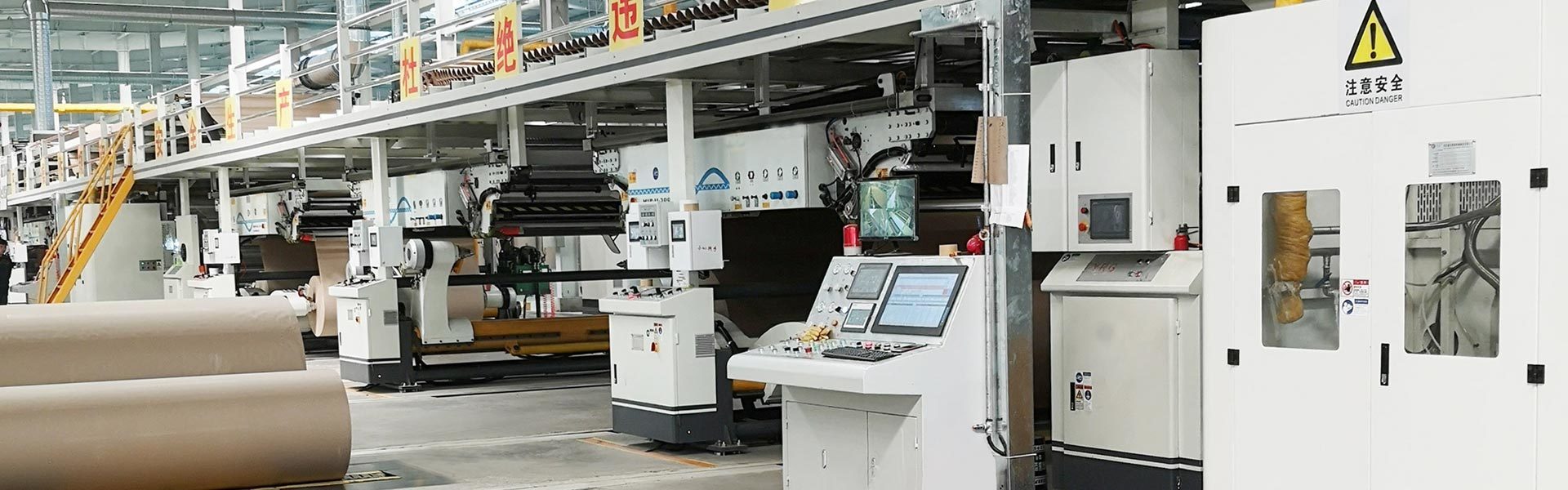
Exploring the Cost-Saving Potential of Single Layer Corrugated Production Lines
Table of Contents
- 1. Introduction to Single Layer Corrugated Production Lines
- 2. Understanding Cost-Saving Potentials in Single Layer Production
- 3. Advantages of Single Layer Corrugated Packaging
- 4. Technological Advancements in Production Lines
- 5. Maximizing Efficiency and Productivity
- 6. Environmental Impact and Sustainability
- 7. Comprehensive Cost Analysis
- 8. FAQs on Single Layer Corrugated Production Lines
- 9. Conclusion
1. Introduction to Single Layer Corrugated Production Lines
Single layer corrugated production lines have emerged as a game-changer in the packaging industry. Designed to produce lightweight yet sturdy packaging materials, these systems offer a multitude of benefits, particularly in terms of cost savings and efficiency. As industries continue to seek ways to minimize expenditure while maximizing output, we must delve deeper into how these production lines can transform manufacturing processes.
2. Understanding Cost-Saving Potentials in Single Layer Production
The cost-saving potential of single layer corrugated production lines is vast. Traditional multi-layer systems can incur higher material and operational costs, while single-layer solutions streamline the entire process. Below are key aspects contributing to significant savings:
2.1 Material Costs
Single layer corrugated production requires fewer raw materials compared to multi-layer systems. The simplicity of the design allows for reduced waste during production. Manufacturers can source lighter materials that are often less expensive but still provide the necessary durability.
2.2 Labor Efficiency
These production lines are designed for ease of use, which translates to shorter training times and less labor involved in operations. Automated processes reduce the need for manual handling, allowing for a leaner workforce and lower labor costs.
2.3 Reduced Energy Consumption
Single layer systems typically consume less energy per unit produced. Improved efficiencies in machine design mean that they operate with lower power requirements, further contributing to a decrease in operating costs.
3. Advantages of Single Layer Corrugated Packaging
Single layer corrugated packaging is not just about cost savings; it also offers a range of operational advantages that can enhance the overall efficiency of businesses.
3.1 Lightweight Design
The lightweight nature of single-layer corrugated materials allows for easier handling, transportation, and storage. This can lead to reduced shipping costs and improved supply chain management.
3.2 Customization Capabilities
With the growing demand for customized packaging, single layer corrugated materials can be easily tailored to meet specific customer requirements. This flexibility allows businesses to respond quickly to market changes.
3.3 Enhanced Printability
Single layer corrugated boards often provide better surfaces for printing, allowing for high-quality graphics and branding. This can enhance product presentation and marketing effectiveness.
4. Technological Advancements in Production Lines
The evolution of technology in single-layer corrugated production lines has been pivotal in maximizing their efficiency and cost-effectiveness.
4.1 Automation and Robotics
Automation has transformed production lines by minimizing manual input and increasing processing speed. Robotic systems can handle repetitive tasks with precision, which reduces the potential for human error and ensures consistency in production.
4.2 Smart Manufacturing Technologies
The integration of IoT (Internet of Things) and smart manufacturing technology allows for real-time monitoring of production processes. Manufacturers can track efficiency metrics, maintain equipment, and optimize workflow with data-driven insights.
4.3 Advanced Materials
Innovations in material science have led to the development of new lightweight, high-strength materials for single-layer corrugated production. These advancements enhance the performance of packaging while keeping costs low.
5. Maximizing Efficiency and Productivity
To fully capitalize on the benefits of single-layer corrugated production lines, businesses must focus on maximizing efficiency and productivity.
5.1 Streamlined Workflow
Implementing a streamlined workflow by minimizing bottlenecks in production can significantly enhance efficiency. Businesses should evaluate their processes regularly and adopt lean manufacturing principles to improve their production lines.
5.2 Employee Training and Development
Investing in employee training ensures that team members are skilled in operating the machinery and utilizing new technologies effectively. A well-trained workforce is crucial for maintaining productivity levels.
5.3 Regular Maintenance
Routine maintenance of equipment is essential to prevent unplanned downtime. Establishing a proactive maintenance schedule will keep production lines running smoothly and reduce operational disruptions.
6. Environmental Impact and Sustainability
As the demand for sustainable packaging increases, single-layer corrugated production lines align well with environmental goals.
6.1 Reduced Waste Generation
Single-layer production processes generate less waste compared to multi-layer systems. By optimizing material usage, businesses can significantly reduce their environmental footprint.
6.2 Recyclability
Corrugated packaging is widely recognized for its recyclability. Single-layer systems can utilize recycled materials, promoting a circular packaging economy that benefits both businesses and the environment.
6.3 Compliance with Regulations
As environmental regulations become stricter, businesses that adopt sustainable practices through single-layer corrugated production lines position themselves favorably in the marketplace.
7. Comprehensive Cost Analysis
Understanding the overall cost structure associated with single-layer corrugated production lines is essential for making informed investment decisions.
7.1 Initial Investment vs. Long-Term Savings
While the initial investment in single-layer production technology may be significant, the long-term savings generated through reduced material, labor, and energy costs often justify the expenditure.
7.2 Return on Investment (ROI)
Calculating the ROI from adopting single-layer corrugated production lines can provide insights into the financial benefits. Businesses should analyze their production costs, efficiency gains, and market demand to gauge ROI effectively.
7.3 Case Studies
Exploring case studies of companies that have successfully transitioned to single-layer corrugated production lines can provide valuable lessons and benchmarks for potential adopters.
8. FAQs on Single Layer Corrugated Production Lines
8.1 What are the primary benefits of single-layer corrugated production lines?
The main benefits include lower material and operational costs, enhanced efficiency, reduced waste, and better customization options.
8.2 How do single-layer corrugated production lines compare to traditional multi-layer systems?
Single-layer systems are typically more cost-effective, consume less energy, and require less manual labor than multi-layer systems.
8.3 What types of businesses can benefit from single-layer corrugated production lines?
Any business involved in packaging, manufacturing, and shipping products can benefit from the efficiencies gained through single-layer corrugated production.
8.4 Are single-layer corrugated materials sustainable?
Yes, single-layer corrugated materials are generally recyclable and can be produced using sustainable practices, making them an eco-friendly choice.
8.5 How can companies ensure a successful transition to single-layer production lines?
Companies should conduct a thorough cost analysis, involve key stakeholders in the decision-making process, and invest in employee training to ensure a smooth transition.
9. Conclusion
The potential for cost savings and operational efficiency through single layer corrugated production lines is substantial. By understanding the benefits, technological advancements, and strategic implementations, businesses can position themselves for success in a competitive market. Embracing this innovative approach not only enhances productivity but also aligns with sustainability goals, paving the way for a more efficient and environmentally responsible future in the packaging industry.
Related Posts

Two methods of repairing hydraulic waste paper packer

Why is waste paper packing machine an environmental protection machine with superior performance
Contact Us
E-mail :
fengwei666@hbfwbzjx.cn
Phone/WhatsApp:
+86-15350765366
Address:
Dongguang county south industrial zone, cangzhou city, hebei province


Packaging machinery solutions,
Equipment and accessories for any industry.

Call Us On:
Tel: +86-15350765366
Dongguang county south industrial zone, cangzhou city, hebei province
Catalog