
Empowering Innovation: Advancements in Hydraulic Station Technology
Nov 25,2024
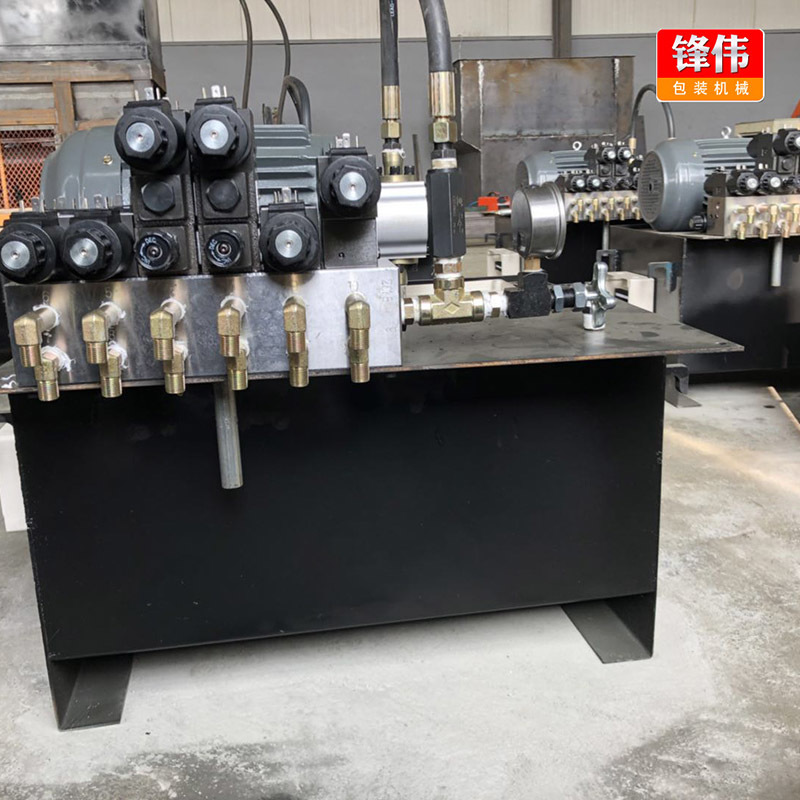
Empowering Innovation: Advancements in Hydraulic Station Technology
The hydraulic system has long been a cornerstone of industrial machinery, providing powerful solutions for various applications. As industries evolve, so too does the technology behind hydraulic stations. In this article, we explore the latest advancements in hydraulic station technology, showcasing innovations that empower engineers and businesses to optimize performance and enhance productivity.
Table of Contents
- 1. Introduction to Hydraulic Station Technology
- 2. The Evolution of Hydraulic Systems
- 3. Key Innovations in Hydraulic Station Technology
- 4. Applications of Advanced Hydraulic Stations
- 5. Challenges in Hydraulic Station Implementation
- 6. The Future of Hydraulic Technology
- 7. FAQs about Hydraulic Station Technology
- 8. Conclusion
1. Introduction to Hydraulic Station Technology
Hydraulic stations play a crucial role in the functionality of hydraulic systems. They serve as the heart of hydraulic machinery, providing the necessary pressure and flow to operate various devices. With advancements in technology, hydraulic stations have evolved significantly, leading to enhanced performance, reliability, and efficiency. This article delves into these advancements, highlighting their impact on industrial applications.
2. The Evolution of Hydraulic Systems
The concept of hydraulics dates back to ancient times, but modern hydraulic systems began to take shape during the industrial revolution. Initially, these systems were simple and mechanical, relying on basic principles of fluid dynamics. Over the years, technological advancements have transformed hydraulic stations into sophisticated systems equipped with electronic controls and smart technologies.
The Transition to Modern Hydraulic Systems
As industries demanded higher precision and performance, hydraulic systems adapted through innovations such as proportional and servo controls. These enhancements allow for greater control over fluid flow and pressure, enabling applications ranging from robotics to heavy machinery.
3. Key Innovations in Hydraulic Station Technology
3.1 Smart Automation in Hydraulic Stations
One of the most significant advancements in hydraulic station technology is the integration of smart automation. With the Internet of Things (IoT) and advanced sensors, hydraulic stations can now monitor performance in real time. This connectivity allows for predictive maintenance, reducing downtime and enhancing operational efficiency.
3.2 Energy Efficiency Improvements
Energy consumption is a critical concern in hydraulic systems. Recent innovations have focused on developing energy-efficient hydraulic stations. These systems utilize variable frequency drives (VFDs) and energy recovery technologies to minimize energy waste. By optimizing pump operation and reducing unnecessary power consumption, industries can significantly lower operational costs.
3.3 Modular Design for Flexibility
Flexibility is essential in today’s fast-paced industrial environment. Modular hydraulic stations allow for easy configuration and reconfiguration, catering to specific application needs. This adaptability means businesses can scale their operations without the need for complete system overhauls, saving time and money.
3.4 Eco-Friendly Initiatives
As sustainability becomes increasingly important, hydraulic technology is shifting towards eco-friendly solutions. Manufacturers are exploring biodegradable hydraulic fluids and designing systems that minimize environmental impact. These initiatives not only comply with regulations but also resonate with consumers who prioritize sustainability.
4. Applications of Advanced Hydraulic Stations
Advanced hydraulic stations are being employed across various industries, including construction, manufacturing, and automotive. Their ability to deliver high power density and precise control makes them ideal for tasks such as material handling, lifting, and pressing operations.
Construction Industry
In the construction industry, hydraulic stations power equipment like excavators and cranes, providing the force needed for heavy lifting. The advancements in efficiency and automation ensure that these machines operate at peak performance, reducing operational costs and enhancing safety.
Manufacturing Sector
Manufacturing processes benefit from hydraulic systems in applications such as stamping, forming, and molding. Enhanced control systems allow for greater precision, reducing material waste and improving product quality. Automation in hydraulic stations streamlines workflows, leading to increased productivity.
Automotive Industry
The automotive industry employs hydraulic technology for assembly line operations, where precision and speed are crucial. Advanced hydraulic stations enable efficient operation of robotic arms and other machinery, boosting production efficiency while maintaining safety standards.
5. Challenges in Hydraulic Station Implementation
Despite the numerous advancements, implementing modern hydraulic stations comes with challenges. High initial costs and the need for skilled personnel to manage sophisticated systems can be significant barriers for some businesses. Additionally, integrating new technology with existing infrastructure requires careful planning and execution.
Addressing Skill Gaps
As technology evolves, so must the workforce. Businesses need to invest in training programs to equip employees with the necessary skills to operate and maintain advanced hydraulic systems effectively. This investment not only improves productivity but also enhances employee satisfaction by providing opportunities for growth.
6. The Future of Hydraulic Technology
The future of hydraulic technology is promising, with ongoing research and development aimed at further enhancing efficiency and sustainability. Innovations such as hydraulic hybrid systems, which combine hydraulic and electric technologies, are on the horizon. These systems promise to reduce energy consumption while maintaining the powerful performance that hydraulic systems are known for.
7. FAQs about Hydraulic Station Technology
What is a hydraulic station?
A hydraulic station is a central unit that generates hydraulic energy through a pump and distributes it to various hydraulic components in a system for performing work.
How do advancements in hydraulic technology improve efficiency?
Advancements such as smart automation and energy-efficient designs help reduce waste, optimize performance, and lower operational costs, leading to improved efficiency in hydraulic systems.
What industries benefit from hydraulic station technology?
Industries such as construction, manufacturing, automotive, and aerospace heavily rely on hydraulic technology for various applications, including lifting, pressing, and material handling.
Are there eco-friendly options available in hydraulic systems?
Yes, many manufacturers are now offering biodegradable hydraulic fluids and designing systems that adhere to eco-friendly practices to minimize environmental impact.
What are the challenges of implementing advanced hydraulic stations?
Some challenges include high initial costs, the need for skilled personnel, and the complexities involved in integrating new technologies with existing systems.
8. Conclusion
The advancements in hydraulic station technology represent a significant leap forward for industries reliant on hydraulic systems. From smart automation to eco-friendly solutions, these innovations empower businesses to enhance operational efficiency and sustainability. As we continue to explore new frontiers in hydraulic technology, the potential for improved performance and reduced environmental impact is immense. By embracing these advancements, industries can not only meet the demands of today but also pave the way for a more sustainable and efficient future.
Related Posts

Two methods of repairing hydraulic waste paper packer

Why is waste paper packing machine an environmental protection machine with superior performance
Contact Us
E-mail :
fengwei666@hbfwbzjx.cn
Phone/WhatsApp:
+86-15350765366
Address:
Dongguang county south industrial zone, cangzhou city, hebei province


Packaging machinery solutions,
Equipment and accessories for any industry.

Call Us On:
Tel: +86-15350765366
Dongguang county south industrial zone, cangzhou city, hebei province
Catalog