
Understanding Hydraulic Power Stations: A Key Component in Industrial Applications
Hydraulic power stations play a crucial role in the industrial equipment sector, particularly within hydraulic machinery and components. These stations convert mechanical energy into hydraulic energy, using pressurized fluid to drive various hydraulic systems. Understanding their functionality and application is vital for professionals involved in designing, implementing, or maintaining hydraulic
Nov 07,2025
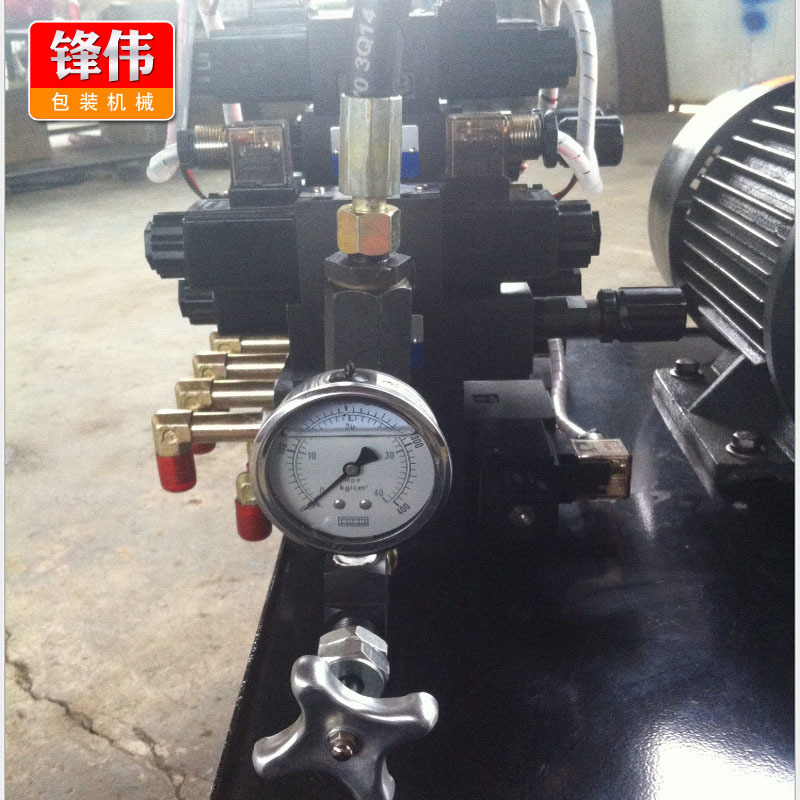
Hydraulic power stations play a crucial role in the industrial equipment sector, particularly within hydraulic machinery and components. These stations convert mechanical energy into hydraulic energy, using pressurized fluid to drive various hydraulic systems. Understanding their functionality and application is vital for professionals involved in designing, implementing, or maintaining hydraulic systems.
At its core, a hydraulic power station consists of several key components: hydraulic pumps, reservoirs, valves, and actuators. The hydraulic pump generates the pressure needed to move the hydraulic fluid, typically oil, from a reservoir to the system. This pressure creates a flow that can be directed through various valves and actuators, allowing for precise control over machinery and equipment. Different types of pumps, including gear, vane, and piston pumps, are chosen based on the specific requirements of the application.
The versatility of hydraulic power stations makes them indispensable across various industries. They are utilized in construction machinery, manufacturing processes, automotive systems, and even renewable energy sectors. For instance, hydraulic power is essential in excavators, forklifts, and assembly line equipment, where high force and precise movement are necessary. This versatility not only enhances efficiency but also enables automation and streamlined operations.
One of the significant advantages of hydraulic power stations is their ability to deliver consistent and controllable force. Unlike mechanical systems that may suffer from wear and tear, hydraulic systems can maintain their performance over time, requiring less maintenance. Moreover, the use of hydraulic fluid allows for the transmission of power over long distances with minimal energy loss, making it an efficient choice for large industrial setups.
However, professionals in the field must also be aware of potential challenges associated with hydraulic power stations. Issues such as fluid leakage, overheating, and contamination can significantly affect performance and safety. Regular maintenance and monitoring are essential to mitigate these risks. Implementing proper filtration systems, conducting routine inspections, and adhering to manufacturer specifications can help maintain optimal performance.
Furthermore, with the growing focus on sustainability and energy efficiency, hydraulic power technology is evolving. Innovations in hydraulic systems are focusing on reducing energy consumption and environmental impact. For instance, advancements in variable displacement pumps and energy recovery systems are paving the way for more eco-friendly hydraulic solutions.
In conclusion, hydraulic power stations are a cornerstone in industrial machinery, providing unparalleled power and precision. For professionals in the hydraulic machinery and components industry, understanding the intricacies of these systems is essential for optimizing performance and ensuring safety. As technology continues to advance, staying abreast of new developments will be key to maintaining a competitive edge in the field.
At its core, a hydraulic power station consists of several key components: hydraulic pumps, reservoirs, valves, and actuators. The hydraulic pump generates the pressure needed to move the hydraulic fluid, typically oil, from a reservoir to the system. This pressure creates a flow that can be directed through various valves and actuators, allowing for precise control over machinery and equipment. Different types of pumps, including gear, vane, and piston pumps, are chosen based on the specific requirements of the application.
The versatility of hydraulic power stations makes them indispensable across various industries. They are utilized in construction machinery, manufacturing processes, automotive systems, and even renewable energy sectors. For instance, hydraulic power is essential in excavators, forklifts, and assembly line equipment, where high force and precise movement are necessary. This versatility not only enhances efficiency but also enables automation and streamlined operations.
One of the significant advantages of hydraulic power stations is their ability to deliver consistent and controllable force. Unlike mechanical systems that may suffer from wear and tear, hydraulic systems can maintain their performance over time, requiring less maintenance. Moreover, the use of hydraulic fluid allows for the transmission of power over long distances with minimal energy loss, making it an efficient choice for large industrial setups.
However, professionals in the field must also be aware of potential challenges associated with hydraulic power stations. Issues such as fluid leakage, overheating, and contamination can significantly affect performance and safety. Regular maintenance and monitoring are essential to mitigate these risks. Implementing proper filtration systems, conducting routine inspections, and adhering to manufacturer specifications can help maintain optimal performance.
Furthermore, with the growing focus on sustainability and energy efficiency, hydraulic power technology is evolving. Innovations in hydraulic systems are focusing on reducing energy consumption and environmental impact. For instance, advancements in variable displacement pumps and energy recovery systems are paving the way for more eco-friendly hydraulic solutions.
In conclusion, hydraulic power stations are a cornerstone in industrial machinery, providing unparalleled power and precision. For professionals in the hydraulic machinery and components industry, understanding the intricacies of these systems is essential for optimizing performance and ensuring safety. As technology continues to advance, staying abreast of new developments will be key to maintaining a competitive edge in the field.
PREVIOUS:
Related Posts

Two methods of repairing hydraulic waste paper packer
Repair of hydraulic waste paper packer is a comprehensive process activity which is far more complex than maintenance technology. Workers are required to be familiar with and proficient in the operation of vehicle

Why is waste paper packing machine an environmental protection machine with superior performance
The patent technology of fast pressurization, that is to say, under the condition of keeping the power displacement of the motor oil pump constant, improves the upper limit of the pressure of the oil cylinder
Contact Us
E-mail :
fengwei666@hbfwbzjx.cn
Phone/WhatsApp:
+86-15350765366
Address:
Dongguang county south industrial zone, cangzhou city, hebei province


Packaging machinery solutions,
Equipment and accessories for any industry.

Call Us On:
Tel: +86-15350765366
Dongguang county south industrial zone, cangzhou city, hebei province
Catalog