
Innovations in Dust Collection: The Future of Fitter Plate Type Technology
Innovations in Dust Collection: The Future of Fitter Plate Type Technology
Table of Contents
1. Introduction to Dust Collection Innovations
2. The Importance of Effective Dust Collection
3. Understanding Fitter Plate Type Technology
4. Advantages of Fitter Plate Type Dust Collectors
5. Recent Innovations in Fitter Plate Technology
6. Environmental Impact of Enhanced Dust C
Oct 17,2025
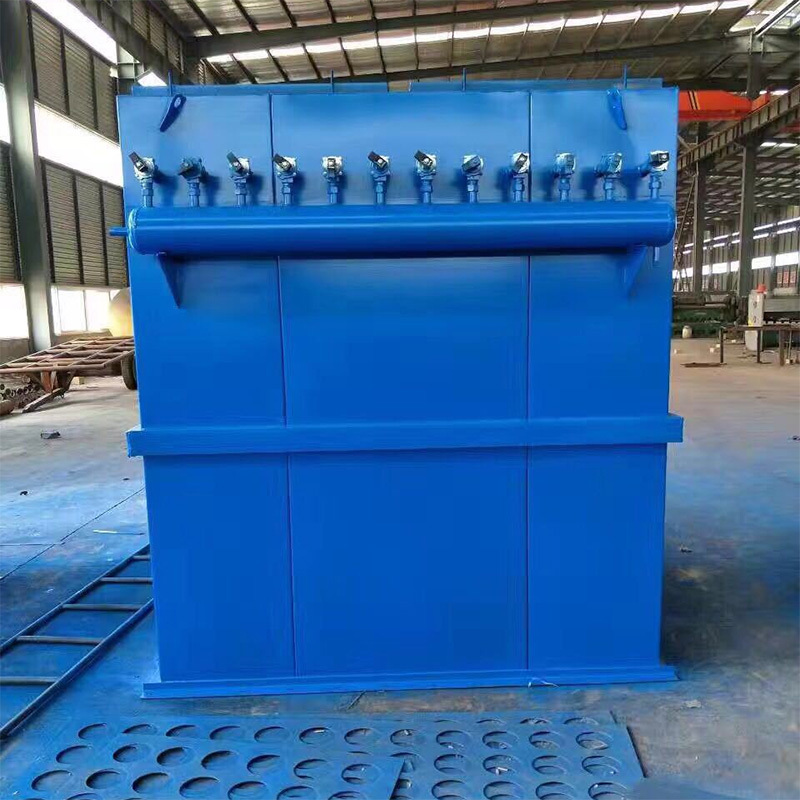
Innovations in Dust Collection: The Future of Fitter Plate Type Technology
Table of Contents
- 1. Introduction to Dust Collection Innovations
- 2. The Importance of Effective Dust Collection
- 3. Understanding Fitter Plate Type Technology
- 4. Advantages of Fitter Plate Type Dust Collectors
- 5. Recent Innovations in Fitter Plate Technology
- 6. Environmental Impact of Enhanced Dust Collection
- 7. Future Trends in Dust Collection Systems
- 8. Frequently Asked Questions (FAQs)
- 9. Conclusion
1. Introduction to Dust Collection Innovations
In the ever-evolving landscape of industrial operations, effective dust collection is a critical component of maintaining operational efficiency and ensuring worker safety. As industries face increasing regulatory pressures and environmental concerns, innovations in dust collection technology, particularly in fitter plate type systems, are gaining prominence. By integrating advanced technologies, businesses can significantly enhance their dust management processes, reduce waste, and improve air quality.
2. The Importance of Effective Dust Collection
Dust collection systems play a vital role in various industries, including manufacturing, construction, and woodworking. The accumulation of dust not only poses health risks to workers, such as respiratory issues, but can also lead to substantial equipment downtime and increased operational costs. Effective dust collection minimizes these risks and contributes to a cleaner, safer workplace.
**Why dust collection matters:**
1. **Health and Safety:** A well-designed dust collection system protects workers from harmful airborne particles, reducing the incidence of occupational diseases.
2. **Compliance:** Many industries are subject to strict regulations regarding air quality. Efficient dust collection systems help companies comply with these regulations and avoid hefty fines.
3. **Operational Efficiency:** Dust buildup can hinder machinery performance, leading to increased maintenance costs and downtime. A robust dust collection system ensures continuous operation and longevity of equipment.
3. Understanding Fitter Plate Type Technology
Fitter plate type dust collectors are engineered to enhance filtration efficiency while minimizing energy consumption. This technology employs a series of plates that maximize the surface area for collecting airborne particulates. The design allows for better airflow and reduces pressure drop, resulting in improved energy efficiency.
**Key components of fitter plate technology include:**
- **Filter Plates:** Designed to capture dust particles without obstructing airflow.
- **Collection Hoppers:** Ensure that collected dust is safely contained and easily removed.
- **Fan Systems:** Optimize airflow and enhance the overall efficiency of the dust collection system.
4. Advantages of Fitter Plate Type Dust Collectors
Fitter plate type dust collectors offer myriad benefits over traditional dust collection systems. These advantages include:
**1. Enhanced Filtration Efficiency:**
The unique design of fitter plates allows for a higher capture rate of fine particulate matter, which is crucial for meeting stringent air quality standards.
**2. Energy Efficiency:**
With reduced pressure drops across the system, fitter plate technology requires less energy to operate, resulting in lower operational costs.
**3. Compact Design:**
Fitter plate dust collectors can be designed to occupy less space than traditional systems, making them suitable for facilities with limited space.
**4. Ease of Maintenance:**
These systems often feature easy access to filter plates and hoppers, simplifying maintenance and reducing downtime.
5. Recent Innovations in Fitter Plate Technology
As industries embrace technological advancements, several innovations have emerged in fitter plate type dust collection systems:
**1. Smart Monitoring Systems:**
Integrating IoT technology, these systems allow for real-time monitoring of dust levels and system performance. Users can receive alerts for maintenance needs, ensuring optimal operation.
**2. Advanced Materials:**
The development of new filter materials has resulted in improved dust capture capabilities and longer filter life, reducing replacement costs and waste.
**3. Automation:**
Automated cleaning systems for fitter plates significantly enhance efficiency by ensuring that filters maintain optimal performance without manual intervention.
**4. Eco-Friendly Designs:**
Innovations in materials and processes reduce the environmental impact of dust collection systems, aligning with sustainability goals and reducing carbon footprints.
6. Environmental Impact of Enhanced Dust Collection
The evolution of fitter plate type dust collectors plays a crucial role in reducing the environmental footprint of industrial operations. By improving air quality and reducing the release of harmful particles into the atmosphere, these systems contribute to cleaner air and a healthier environment.
**Key environmental benefits include:**
- **Reduction of Hazardous Emissions:** Enhanced filtration prevents harmful particles from being released into the air, aiding in compliance with environmental regulations.
- **Lower Energy Consumption:** Energy-efficient designs reduce greenhouse gas emissions, contributing to global sustainability initiatives.
- **Waste Minimization:** Improved dust collection reduces the amount of waste generated by industrial processes, promoting a circular economy.
7. Future Trends in Dust Collection Systems
Looking ahead, we can anticipate several trends that will shape the future of dust collection systems, particularly in fitter plate technology:
**1. Increased Automation:**
As industries continue to adopt smart manufacturing practices, automating dust collection processes will become commonplace, improving efficiency and accuracy.
**2. Integration with Industry 4.0:**
The future will see greater integration of dust collection systems with other manufacturing technologies, enabling seamless data sharing and process optimization.
**3. Focus on Sustainability:**
With the growing emphasis on sustainability, there will be a continued push for eco-friendly dust collection solutions that minimize both waste and energy consumption.
**4. Research and Development:**
Ongoing R&D will lead to breakthroughs in materials and technologies that enhance the filtration capabilities of fitter plate systems, ensuring they meet the evolving needs of industries.
8. Frequently Asked Questions (FAQs)
**Q1: What industries benefit the most from fitter plate type dust collectors?**
A1: Manufacturing, woodworking, metalworking, and construction industries are among the primary sectors that benefit from fitter plate type dust collectors due to their efficiency in handling fine particulate matter.
**Q2: How do fitter plate dust collectors compare to traditional baghouse systems?**
A2: Fitter plate collectors generally offer superior filtration efficiency, reduced energy consumption, and easier maintenance compared to traditional baghouse systems.
**Q3: What is the lifespan of a fitter plate dust collector?**
A3: The lifespan of a fitter plate dust collector depends on various factors, including usage, maintenance, and environmental conditions, but with proper care, they can last many years.
**Q4: Are fitter plate type dust collectors suitable for all dust types?**
A4: While fitter plate type dust collectors are versatile, specific designs may be better suited for particular types of dust. It’s essential to evaluate the dust characteristics before selection.
**Q5: What maintenance is required for fitter plate dust collectors?**
A5: Regular inspection of filters, cleaning of plates, and monitoring of airflow are critical maintenance tasks to ensure optimal performance and longevity.
9. Conclusion
Innovations in dust collection, particularly through fitter plate type technology, are transforming how industries manage airborne particulates. By adopting these advanced systems, businesses can enhance operational efficiency, comply with environmental regulations, and promote a healthier workspace for employees. As we look to the future, the continued evolution of dust collection technologies will not only address current challenges but also pave the way for a more sustainable industrial landscape. Embracing these innovations is not just an option; it is essential for staying competitive and responsible in today's environment.
PREVIOUS:
Related Posts

Two methods of repairing hydraulic waste paper packer
Repair of hydraulic waste paper packer is a comprehensive process activity which is far more complex than maintenance technology. Workers are required to be familiar with and proficient in the operation of vehicle

Why is waste paper packing machine an environmental protection machine with superior performance
The patent technology of fast pressurization, that is to say, under the condition of keeping the power displacement of the motor oil pump constant, improves the upper limit of the pressure of the oil cylinder
Contact Us
E-mail :
fengwei666@hbfwbzjx.cn
Phone/WhatsApp:
+86-15350765366
Address:
Dongguang county south industrial zone, cangzhou city, hebei province


Packaging machinery solutions,
Equipment and accessories for any industry.

Call Us On:
Tel: +86-15350765366
Dongguang county south industrial zone, cangzhou city, hebei province
Catalog