
Elevate Your Packaging Operations with a Cutting-Edge Semi-Automatic Paper Feeding System
Elevate Your Packaging Operations: Semi-Automatic Paper Feeding System
Table of Contents
1. Introduction to Semi-Automatic Paper Feeding Systems
2. Key Features of Semi-Automatic Paper Feeding Systems
2.1 Automatic Paper Alignment
2.2 User-Friendly Controls
2.3 Versatile Paper Handling
3. Advantages of Implementing Semi-Automatic Systems
3.1 Increased Efficiency in Production
3.2 Cost Reduction an
Sep 26,2025
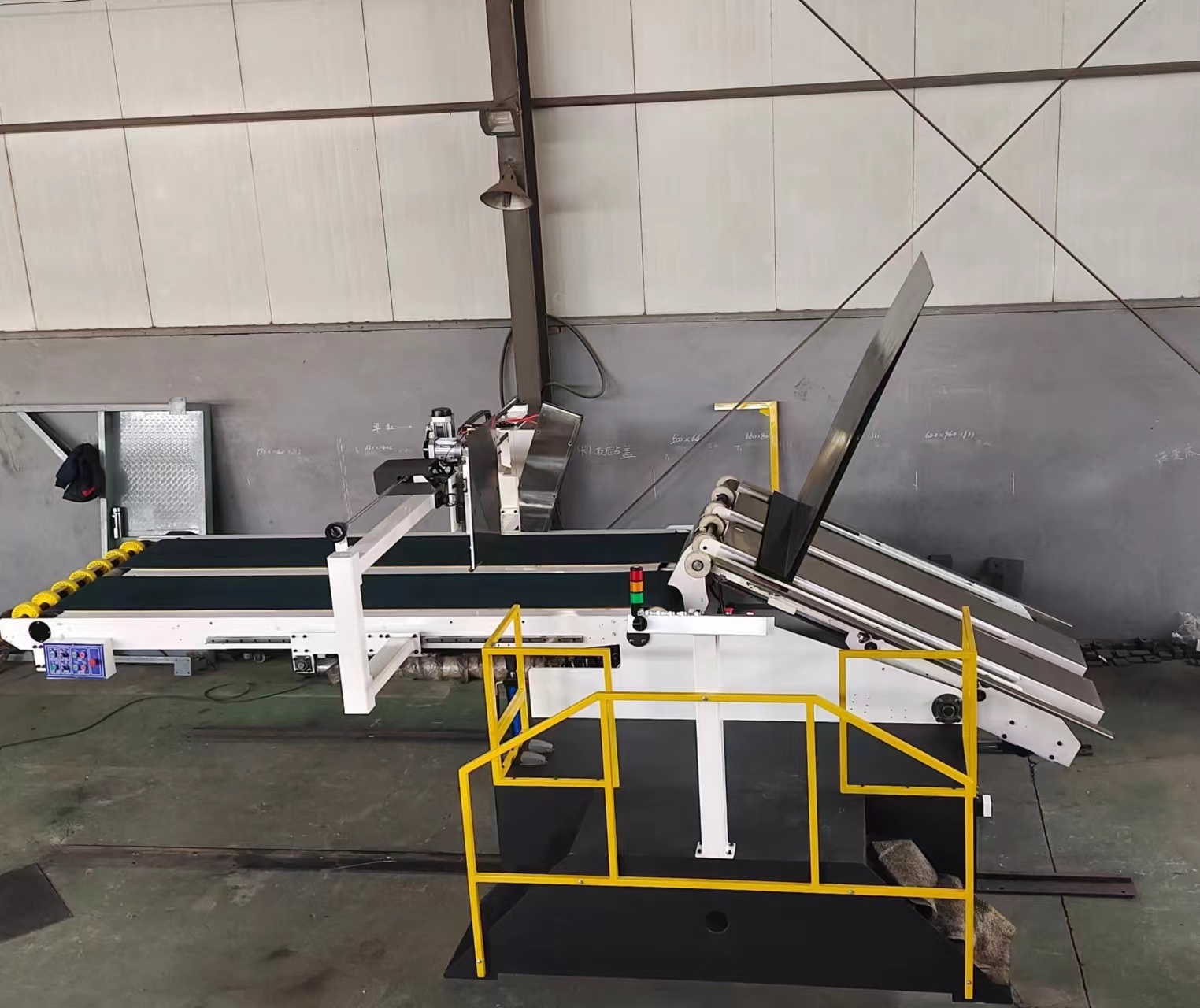
Elevate Your Packaging Operations: Semi-Automatic Paper Feeding System
Table of Contents
1. Introduction to Semi-Automatic Paper Feeding Systems
2. Key Features of Semi-Automatic Paper Feeding Systems
2.1 Automatic Paper Alignment
2.2 User-Friendly Controls
2.3 Versatile Paper Handling
3. Advantages of Implementing Semi-Automatic Systems
3.1 Increased Efficiency in Production
3.2 Cost Reduction and Waste Minimization
3.3 Enhanced Product Quality
4. Comparison: Semi-Automatic vs. Fully Automatic Systems
5. Choosing the Right System for Your Needs
5.1 Assessing Your Production Requirements
5.2 Budget Considerations
6. Best Practices for Operating Semi-Automatic Paper Feeding Systems
7. Maintenance Tips for Longevity
8. FAQs About Semi-Automatic Paper Feeding Systems
9. Conclusion
1. Introduction to Semi-Automatic Paper Feeding Systems
In the world of packaging operations, efficiency and precision are paramount. As businesses strive to optimize their processes, the adoption of **semi-automatic paper feeding systems** has become increasingly common. These systems bridge the gap between manual and fully automated processes, providing significant benefits without the complexities that often accompany complete automation.
Semi-automatic paper feeding systems are designed to streamline the handling and feeding of paper materials into packaging machines. By integrating technology with human oversight, these systems enhance productivity while ensuring the quality and consistency of the packaging process. This article delves deeper into the features, benefits, and operational insights related to semi-automatic paper feeding systems.
2. Key Features of Semi-Automatic Paper Feeding Systems
Understanding the core features of semi-automatic paper feeding systems is essential for manufacturers looking to enhance their packaging operations. Below are some of the most notable features that set these systems apart.
2.1 Automatic Paper Alignment
One of the standout features of semi-automatic paper feeding systems is their ability to align paper automatically. This feature ensures that the paper is accurately positioned every time it is fed into the machine. Proper alignment reduces the risk of jams and errors, ensuring a smoother operation and higher output.
2.2 User-Friendly Controls
Modern semi-automatic paper feeding systems come equipped with intuitive controls that simplify operation. Operators can easily adjust settings, monitor performance, and troubleshoot issues through user-friendly interfaces. This ease of use can significantly reduce training time for new employees and enhance overall productivity.
2.3 Versatile Paper Handling
These systems are designed to handle a variety of paper types and sizes, making them a versatile addition to any packaging operation. Whether you are working with lightweight paper or heavier stock, a semi-automatic paper feeding system can accommodate your specific needs without compromising on performance.
3. Advantages of Implementing Semi-Automatic Systems
The integration of semi-automatic paper feeding systems into your packaging operations can yield a multitude of benefits. Understanding these advantages can help in making an informed decision about implementation.
3.1 Increased Efficiency in Production
By automating the paper feeding process, businesses can significantly speed up production rates. Operators can focus on other essential tasks while the system handles the repetitive and time-consuming aspects of paper feeding. This increased efficiency translates into higher output and improved turnaround times.
3.2 Cost Reduction and Waste Minimization
Semi-automatic systems contribute to cost savings by minimizing material waste. With precise paper handling and alignment features, the likelihood of misfeeds and damaged materials is greatly reduced. As a result, businesses can save on raw materials and rework costs, enhancing overall profitability.
3.3 Enhanced Product Quality
Quality is non-negotiable in packaging operations. Semi-automatic paper feeding systems ensure consistent and precise feeding of materials, leading to improved product quality. With better alignment and handling, manufacturers can produce packaging that meets or exceeds industry standards.
4. Comparison: Semi-Automatic vs. Fully Automatic Systems
It's crucial to understand how semi-automatic systems compare to fully automatic ones. While **fully automatic systems** eliminate much of the manual labor involved in packaging, they often come with higher costs and require more extensive training and maintenance.
Semi-automatic systems offer a balanced approach, allowing for human oversight while still automating repetitive tasks. This makes them an excellent choice for smaller manufacturers or those looking to transition toward more automated processes without diving fully into automation.
5. Choosing the Right System for Your Needs
Selecting the right semi-automatic paper feeding system requires careful consideration of various factors.
5.1 Assessing Your Production Requirements
It's essential to evaluate your production volume and the specific paper types you handle. Understanding your needs will help in selecting a system that can adequately meet your demands without causing delays or bottlenecks in production.
5.2 Budget Considerations
Investing in a semi-automatic system requires careful budgeting. While these systems are generally more affordable than fully automatic options, it’s important to ensure that the chosen system provides a good return on investment through increased efficiency and reduced waste.
6. Best Practices for Operating Semi-Automatic Paper Feeding Systems
To maximize the benefits of your semi-automatic paper feeding system, it's essential to follow best practices in operation.
- **Regular Training:** Ensure that all operators are well-trained in using the system. Familiarity with the controls can significantly enhance efficiency.
- **Routine Checks:** Conduct regular checks on the machine to ensure it is operating correctly. This includes monitoring paper alignment and adjusting settings as necessary.
- **Feedback Loop:** Encourage operators to provide feedback on the system’s performance. This can help identify potential issues and areas for improvement.
7. Maintenance Tips for Longevity
Proper maintenance is critical for prolonging the life of your semi-automatic paper feeding system.
- **Cleanliness:** Keep the machine clean to prevent dust and debris from impacting performance. Regularly clean the feed area and ensure that all parts are free from obstruction.
- **Lubrication:** Follow the manufacturer’s guidelines for lubricating moving parts. Proper lubrication reduces wear and tear and enhances overall efficiency.
- **Inspection:** Regularly inspect electrical and mechanical components for wear and tear. Address any issues promptly to prevent more significant problems in the future.
8. FAQs About Semi-Automatic Paper Feeding Systems
**Q1: What is a semi-automatic paper feeding system?**
A semi-automatic paper feeding system is designed to automate the feeding of paper into packaging machines while allowing for human oversight and control.
**Q2: What are the benefits of a semi-automatic system compared to manual feeding?**
Semi-automatic systems enhance efficiency, reduce waste, and improve product quality compared to manual feeding, which can be labor-intensive and error-prone.
**Q3: Can a semi-automatic paper feeding system handle different paper types?**
Yes, most semi-automatic systems are designed to handle various paper types and sizes, making them versatile for different packaging needs.
**Q4: How often should I perform maintenance on my semi-automatic system?**
Regular maintenance should be conducted based on the manufacturer's recommendations, but routine cleaning and checks should be performed frequently.
**Q5: Are semi-automatic systems suitable for small-scale operations?**
Yes, semi-automatic systems can be an excellent choice for smaller operations looking to improve efficiency without the need for fully automated solutions.
9. Conclusion
The integration of a **semi-automatic paper feeding system** into your packaging operations can significantly enhance efficiency, reduce waste, and improve product quality. With features designed to streamline the feeding process and user-friendly controls, these systems represent a valuable investment for businesses of all sizes. By understanding your production needs, following best practices, and maintaining the equipment properly, you can fully leverage the advantages that semi-automatic systems offer. Embrace this innovative technology and elevate your packaging operations to new heights.
Related Posts

Two methods of repairing hydraulic waste paper packer
Repair of hydraulic waste paper packer is a comprehensive process activity which is far more complex than maintenance technology. Workers are required to be familiar with and proficient in the operation of vehicle

Why is waste paper packing machine an environmental protection machine with superior performance
The patent technology of fast pressurization, that is to say, under the condition of keeping the power displacement of the motor oil pump constant, improves the upper limit of the pressure of the oil cylinder
Contact Us
E-mail :
fengwei666@hbfwbzjx.cn
Phone/WhatsApp:
+86-15350765366
Address:
Dongguang county south industrial zone, cangzhou city, hebei province


Packaging machinery solutions,
Equipment and accessories for any industry.

Call Us On:
Tel: +86-15350765366
Dongguang county south industrial zone, cangzhou city, hebei province
Catalog