
Streamline Your Packaging Line: The Advantages of Semi-Automatic Paper Feeding
Streamline Your Packaging Line: The Advantages of Semi-Automatic Paper Feeding
Table of Contents
1. Introduction to Semi-Automatic Paper Feeding
2. What is Semi-Automatic Paper Feeding?
3. Key Benefits of Semi-Automatic Paper Feeding
3.1 Enhanced Efficiency and Speed
3.2 Reduced Labor Costs
3.3 Minimized Waste and Improved Sustainability
Apr 05,2025
Streamline Your Packaging Line: The Advantages of Semi-Automatic Paper Feeding
Table of Contents
- 1. Introduction to Semi-Automatic Paper Feeding
- 2. What is Semi-Automatic Paper Feeding?
- 3. Key Benefits of Semi-Automatic Paper Feeding
- 3.1 Enhanced Efficiency and Speed
- 3.2 Reduced Labor Costs
- 3.3 Minimized Waste and Improved Sustainability
- 3.4 Flexibility and Adaptability
- 4. The Technology Behind Semi-Automatic Systems
- 5. Applications in Paper Packaging Machinery
- 6. Choosing the Right Semi-Automatic Paper Feeding System
- 7. Common Challenges and Solutions
- 8. Frequently Asked Questions (FAQs)
- 9. Conclusion
1. Introduction to Semi-Automatic Paper Feeding
In the fast-paced world of manufacturing, particularly within the packaging industry, efficiency and productivity are paramount. As the demand for high-quality packaging solutions surges, companies are continuously seeking ways to optimize their production lines. One effective solution is the implementation of **semi-automatic paper feeding systems**. These systems not only streamline operations but also significantly enhance productivity, making them an invaluable asset in today’s competitive landscape.
2. What is Semi-Automatic Paper Feeding?
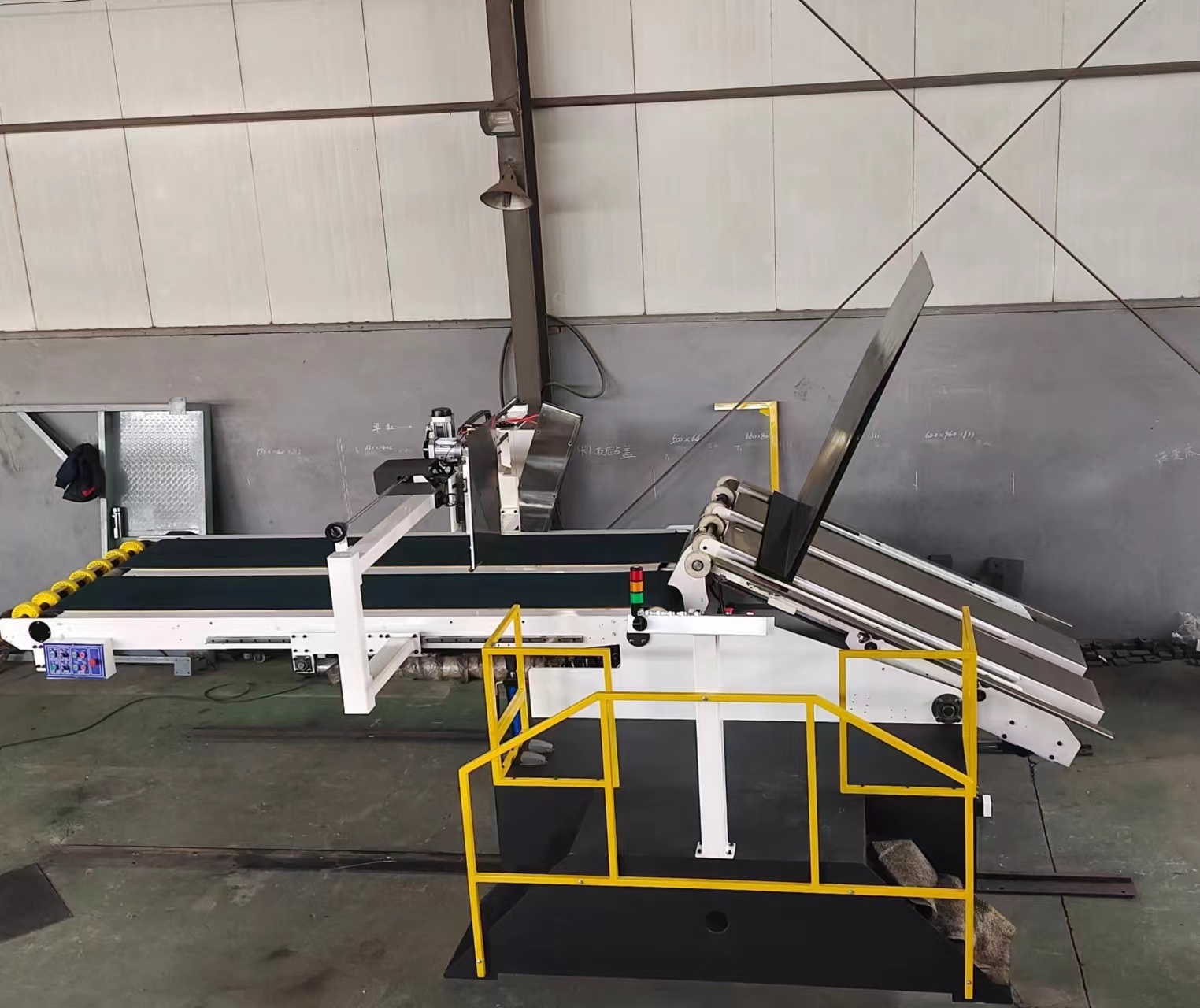
Semi-automatic paper feeding involves a system designed to assist in the feeding of paper materials into packaging machinery. Unlike fully manual processes where operators handle all aspects of feeding, semi-automatic systems require minimal human intervention. Operators initiate the feeding process, allowing the machine to take over and manage the consistent flow of paper, ensuring precision and speed.
3. Key Benefits of Semi-Automatic Paper Feeding
3.1 Enhanced Efficiency and Speed
One of the most significant advantages of semi-automatic paper feeding is the **enhanced efficiency** it brings to the packaging line. With these systems, manufacturers can achieve a higher output rate compared to traditional manual feeding methods. The automation of the paper feeding process reduces downtime and ensures continuous operation, allowing companies to meet demanding production schedules more effectively.
3.2 Reduced Labor Costs
Implementing a semi-automatic paper feeding system can lead to substantial **savings in labor costs**. By decreasing the number of operators needed for the paper feeding process, companies can allocate their workforce more efficiently. This not only reduces the overall labor expense but also enables skilled workers to focus on more critical tasks within the production line, further enhancing productivity.
3.3 Minimized Waste and Improved Sustainability
A key advantage of semi-automatic systems is their ability to **minimize waste**. These machines are designed to handle paper with precision, reducing the likelihood of errors during the feeding process. As a result, companies can cut down on material waste, contributing to a more sustainable operation. This efficiency not only benefits the bottom line but also aligns with the growing emphasis on environmental responsibility in manufacturing.
3.4 Flexibility and Adaptability
Semi-automatic paper feeding systems are remarkably **flexible**. They can be adjusted to accommodate various paper sizes, weights, and types, making them suitable for diverse packaging applications. This adaptability allows manufacturers to respond quickly to changes in market demand or customer specifications, ensuring that their operations remain nimble and competitive.
4. The Technology Behind Semi-Automatic Systems
Understanding the technology that powers semi-automatic paper feeding systems is crucial for evaluating their effectiveness. These systems typically incorporate sensors, motors, and control systems that work together to ensure precise paper feeding.
**Sensors** detect paper alignment and provide feedback to the control system, which adjusts the feeding mechanism as needed. This ensures that the paper is consistently fed into the machinery without jams or misalignments. **Motors** facilitate smooth and efficient paper movement, while the **control systems** enable operators to customize settings based on the specific requirements of their production environment.
5. Applications in Paper Packaging Machinery
Semi-automatic paper feeding systems have found applications across various sectors of the paper packaging industry. These include:
- **Carton Packaging**: For businesses involved in carton production, semi-automatic feeding systems streamline the process of aligning and feeding cartons into the packaging line, improving throughput and accuracy.
- **Label Printing**: Companies in the label printing sector benefit from semi-automatic systems that ensure consistent feeding of label sheets, enhancing print quality and reducing waste.
- **Food Packaging**: In the food industry, where packaging requirements are stringent, semi-automatic feeding aids in maintaining hygiene standards while improving speed and efficiency.
6. Choosing the Right Semi-Automatic Paper Feeding System
Selecting the appropriate semi-automatic paper feeding system involves considering several factors:
1. **Production Volume**: Evaluate the expected production volume to determine the capacity needed from the feeding system.
2. **Paper Specifications**: Understand the types of paper that will be used, including weight, size, and texture, to ensure compatibility with the feeding system.
3. **Integration with Existing Machinery**: Ensure that the selected system can seamlessly integrate with current packaging machinery to optimize the overall production flow.
4. **Budget Constraints**: Analyze the cost implications, including initial investment and potential long-term savings in labor and materials.
Engaging with an experienced supplier can provide valuable insights and recommendations tailored to your specific needs.
7. Common Challenges and Solutions
While semi-automatic paper feeding systems offer numerous advantages, they are not without challenges. Some common issues include:
- **Paper Jams**: Regular maintenance and calibration of the feeding system can significantly reduce the occurrence of jams.
- **Operator Training**: Providing comprehensive training ensures that operators can efficiently run the system while troubleshooting minor issues.
- **Compatibility Issues**: Regularly review the specifications of the paper being used to avoid compatibility problems that can disrupt production.
By proactively addressing these challenges, manufacturers can maximize the benefits of semi-automatic paper feeding systems.
8. Frequently Asked Questions (FAQs)
1. What types of paper can be used with semi-automatic feeding systems?
Semi-automatic paper feeding systems can accommodate various types of paper, including cardboard, Kraft paper, and specialized paper products, depending on the machine's specifications.
2. How much labor can be saved by implementing semi-automatic systems?
The amount of labor saved varies by operation size and setup, but manufacturers typically report a 30-50% reduction in labor costs associated with feeding processes.
3. Are semi-automatic systems suitable for small businesses?
Yes, semi-automatic paper feeding systems are available in various scales, making them suitable for small businesses as well as larger operations.
4. What maintenance is required for semi-automatic paper feeding systems?
Regular maintenance includes cleaning, lubricating moving parts, and calibrating the system to ensure optimal performance and minimize downtime.
5. How do semi-automatic systems impact production speed?
Semi-automatic systems generally increase production speed by ensuring a consistent flow of paper into machinery, reducing the time spent on manual feeding.
9. Conclusion
In today's competitive packaging industry, adopting a **semi-automatic paper feeding system** can significantly enhance productivity, reduce costs, and minimize waste. By understanding the technology behind these systems, their benefits, and how to choose the right one, manufacturers can streamline their operations and improve their bottom line. As we look towards the future of paper packaging, the importance of efficiency and adaptability cannot be overstated, and semi-automatic systems are poised to lead the way in this evolution.
PREVIOUS:
Related Posts

Two methods of repairing hydraulic waste paper packer
Repair of hydraulic waste paper packer is a comprehensive process activity which is far more complex than maintenance technology. Workers are required to be familiar with and proficient in the operation of vehicle

Why is waste paper packing machine an environmental protection machine with superior performance
The patent technology of fast pressurization, that is to say, under the condition of keeping the power displacement of the motor oil pump constant, improves the upper limit of the pressure of the oil cylinder
Contact Us
E-mail :
fengwei666@hbfwbzjx.cn
Phone/WhatsApp:
+86-15350765366
Address:
Dongguang county south industrial zone, cangzhou city, hebei province


Packaging machinery solutions,
Equipment and accessories for any industry.

Call Us On:
Tel: +86-15350765366
Dongguang county south industrial zone, cangzhou city, hebei province
Catalog