
Efficiency Redefined: The Changing Landscape of Hydraulic Station Solutions
Efficiency Redefined: The Changing Landscape of Hydraulic Station Solutions
In the ever-evolving industrial sector, hydraulic systems have emerged as a cornerstone of operational efficiency. As industries increasingly seek ways to optimize their processes and reduce costs, hydraulic station solutions are experiencing a remarkable transformation. This article delves into the intricate landscape of
Mar 24,2025
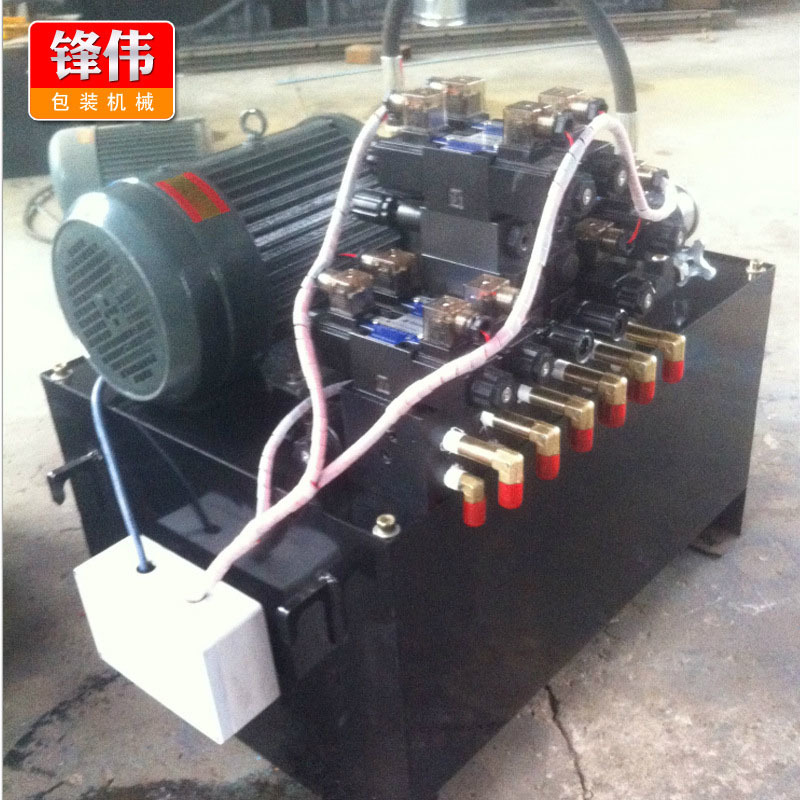
Efficiency Redefined: The Changing Landscape of Hydraulic Station Solutions
In the ever-evolving industrial sector, hydraulic systems have emerged as a cornerstone of operational efficiency. As industries increasingly seek ways to optimize their processes and reduce costs, hydraulic station solutions are experiencing a remarkable transformation. This article delves into the intricate landscape of hydraulic systems, examining the advancements that are redefining efficiency and effectiveness in various applications.
Understanding Hydraulic Systems: The Backbone of Industrial Operations
Hydraulic systems play a critical role across numerous industries, including construction, manufacturing, and automotive. At its core, a hydraulic system utilizes pressurized fluid to perform mechanical work, driving machinery that would otherwise be inefficient or impossible to operate purely through mechanical means.
The Components of Hydraulic Systems
To appreciate the advancements in hydraulic station solutions, it is essential to understand the primary components that constitute hydraulic systems:
- **Hydraulic Fluid**: The medium that transmits power through the system.
- **Pump**: Converts mechanical energy into hydraulic energy by moving fluid.
- **Actuators**: Translates hydraulic energy into mechanical output, such as cylinders or motors.
- **Valves**: Control fluid flow and pressure within the system.
- **Reservoirs**: Store hydraulic fluid and accommodate expansion.
Each of these components plays a pivotal role in ensuring the system's efficiency and reliability.
Current Trends in Hydraulic Station Solutions
The landscape of hydraulic station solutions is continuously evolving, driven by technological innovations and an increasing focus on sustainability. Here, we explore the latest trends shaping this industry.
Integration of IoT in Hydraulic Systems
The **Internet of Things (IoT)** is revolutionizing how hydraulic systems operate. Sensors and connected devices enable real-time monitoring of system performance, allowing for predictive maintenance and reducing downtime. This integration not only enhances efficiency but also minimizes operational costs.
Smart Hydraulic Systems
Smart hydraulic systems leverage advanced algorithms and machine learning to optimize performance. These systems can automatically adjust parameters based on real-time data, ensuring peak efficiency and responsiveness. As a result, industries can achieve higher levels of automation and productivity.
Adaptive Control Systems
Adaptive control systems are game-changers. They allow hydraulic stations to adjust their performance based on load variations, leading to significant energy savings. By dynamically adapting to operational needs, these systems contribute to overall efficiency.
Emphasis on Energy Efficiency
Energy efficiency is a critical focus in the modern hydraulic industry. Companies are increasingly adopting energy-efficient hydraulic components and systems to lower their carbon footprint and reduce energy costs. Innovations such as variable displacement pumps and energy recovery systems are helping achieve these goals.
Benefits of Modern Hydraulic Station Solutions
Adopting modern hydraulic station solutions offers several compelling benefits for industries looking to boost efficiency.
Enhanced Productivity
Modern hydraulic systems are designed for optimal performance. With faster response times and reduced cycle times, businesses can accomplish more in less time, significantly increasing productivity.
Cost Reduction
By implementing energy-efficient and smart hydraulic solutions, companies can significantly reduce operational costs. Predictive maintenance reduces the risk of costly breakdowns, while optimized energy usage leads to lower utility bills.
Improved Safety
Safety is paramount in industrial operations. Modern hydraulic systems include enhanced safety features, such as pressure relief valves and emergency shut-off systems. These innovations help mitigate risks associated with hydraulic failures.
Choosing the Right Hydraulic Station Solutions
Selecting the appropriate hydraulic station solution for your specific needs can be daunting. Here are key considerations to guide your decision-making process.
Evaluate Your Operational Needs
Before investing in hydraulic systems, assess your operational requirements. Consider factors such as load capacity, cycle times, and the nature of the work being performed. Tailoring solutions to meet these needs ensures optimal performance.
Consider System Compatibility
Ensure that any new hydraulic components or systems are compatible with existing infrastructure. Compatibility helps avoid costly retrofits and ensures seamless integration.
Seek Expert Consultation
Consulting with hydraulic system experts can provide valuable insights. They can guide the selection process, ensuring that you choose solutions that align with industry best practices.
Focus on Maintenance and Support
Choose a supplier that offers comprehensive maintenance and support services. Regular maintenance is crucial for the longevity and efficiency of hydraulic systems.
Best Practices for Optimizing Hydraulic Station Efficiency
Implementing best practices is vital to maximizing the efficiency of hydraulic systems. Here are some essential strategies.
Regular Maintenance and Inspections
Routine maintenance and inspections are crucial for identifying potential issues before they become significant problems. Regular checks on fluid levels, filters, and seals help ensure optimal system performance.
Fluid Management
Proper hydraulic fluid selection and management play a critical role in the system's efficiency. Ensure that the fluid used is compatible with the system and meets the manufacturer's specifications.
Implementing Filtration Systems
High-quality filtration systems can prevent contaminants from entering the hydraulic fluid, prolonging the life of components and maintaining system efficiency.
Training and Skill Development
Investing in employee training ensures that personnel are well-versed in operating and maintaining hydraulic systems. Knowledgeable staff can identify issues early and implement solutions effectively.
FAQs about Hydraulic Station Solutions
1. What are hydraulic stations used for?
Hydraulic stations are used to provide hydraulic power for various industrial applications, including machinery operation, material handling, and equipment maintenance.
2. How does IoT improve hydraulic systems?
IoT enhances hydraulic systems by providing real-time data for monitoring and predictive maintenance, leading to improved efficiency and reduced downtime.
3. What are the benefits of energy-efficient hydraulic systems?
Energy-efficient hydraulic systems reduce operational costs, lower carbon footprints, and improve overall system performance.
4. How often should hydraulic systems be maintained?
Regular maintenance should occur based on manufacturer recommendations, typically every 3 to 6 months, depending on usage and operating conditions.
5. What are common issues with hydraulic systems?
Common issues include leaks, overheating, and contamination, all of which can significantly impact system performance and reliability.
Conclusion
The landscape of hydraulic station solutions is rapidly changing, driven by technological advancements and a focus on efficiency. By understanding the components, trends, and best practices associated with hydraulic systems, industries can harness the full potential of these powerful tools. Embracing modern solutions not only enhances productivity but also reduces costs and improves safety. As we move forward, staying informed about innovations in hydraulic technology will be critical to maintaining a competitive edge in the industrial sector.
Related Posts

Two methods of repairing hydraulic waste paper packer
Repair of hydraulic waste paper packer is a comprehensive process activity which is far more complex than maintenance technology. Workers are required to be familiar with and proficient in the operation of vehicle

Why is waste paper packing machine an environmental protection machine with superior performance
The patent technology of fast pressurization, that is to say, under the condition of keeping the power displacement of the motor oil pump constant, improves the upper limit of the pressure of the oil cylinder
Contact Us
E-mail :
fengwei666@hbfwbzjx.cn
Phone/WhatsApp:
+86-15350765366
Address:
Dongguang county south industrial zone, cangzhou city, hebei province


Packaging machinery solutions,
Equipment and accessories for any industry.

Call Us On:
Tel: +86-15350765366
Dongguang county south industrial zone, cangzhou city, hebei province
Catalog