
Revolutionize Your Recycling Process with an Advanced Waste Paper Baler Machine
Revolutionize Recycling Process with Advanced Waste Paper Baler Machine
Table of Contents
1. Introduction to Waste Paper Baler Machines
2. The Importance of Recycling in Today’s World
3. What is a Waste Paper Baler Machine?
4. Types of Waste Paper Balers
5. How Does a Waste Paper Baler Machine Work?
6. Benefits of Using Advanced Waste Paper Balers
7. Choosing the Right
Mar 18,2025
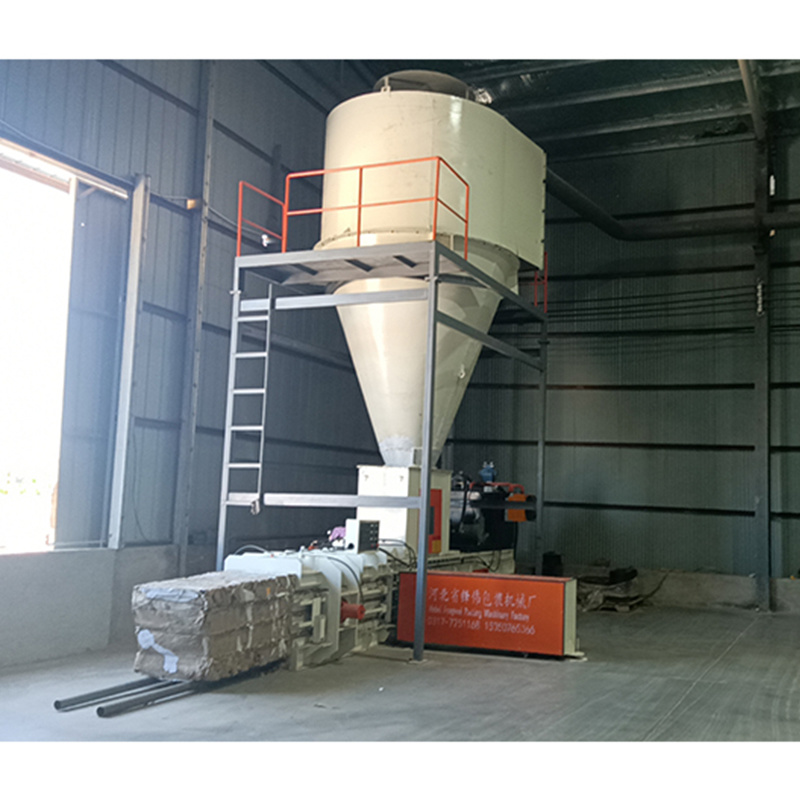
Revolutionize Recycling Process with Advanced Waste Paper Baler Machine
Table of Contents
- 1. Introduction to Waste Paper Baler Machines
- 2. The Importance of Recycling in Today’s World
- 3. What is a Waste Paper Baler Machine?
- 4. Types of Waste Paper Balers
- 5. How Does a Waste Paper Baler Machine Work?
- 6. Benefits of Using Advanced Waste Paper Balers
- 7. Choosing the Right Waste Paper Baler for Your Needs
- 8. Environmental Impact of Waste Paper Balers
- 9. Frequently Asked Questions
- 10. Conclusion
1. Introduction to Waste Paper Baler Machines
In the current landscape of environmental sustainability, recycling plays an integral role in reducing waste and conserving resources. **Advanced waste paper baler machines** have emerged as pivotal tools in this process, enabling businesses and recycling centers to manage their paper waste efficiently. These machines not only compress waste paper into manageable bales but also enhance the overall recycling process, making it both cost-effective and environmentally friendly.
2. The Importance of Recycling in Today’s World
Recycling is no longer just an option; it has become a necessity in addressing global waste management challenges. As urbanization and industrialization continue to rise, the volume of waste generated is staggering. Recycling, especially of paper products, leads to significant reductions in landfill use, conserves natural resources, and decreases pollution. Advanced waste paper baler machines play a crucial role in this ecosystem by streamlining the collection and processing of recyclable materials, ensuring that more paper is reused rather than discarded.
3. What is a Waste Paper Baler Machine?
A **waste paper baler machine** is specialized equipment designed to compress paper waste into tightly packed bales. These bales can be easily handled, transported, and stored, making them more practical for recycling facilities. The machines come in various sizes and capabilities, catering to different operational needs, from small businesses managing minimal waste to large industrial plants producing significant paper byproducts.
4. Types of Waste Paper Balers
Understanding the different types of waste paper balers can help businesses choose the right equipment based on their specific needs:
4.1 Vertical Balers
Vertical balers are compact and ideal for smaller operations. They require minimal floor space and are designed for efficient compression of waste paper and cardboard.
4.2 Horizontal Balers
Horizontal balers are larger and more robust, suitable for high-volume operations. They offer faster cycle times and can produce larger bales, making them ideal for recycling facilities.
4.3 Automatic Balers
These balers automate the baling process, reducing labor costs and increasing efficiency. They are especially beneficial for businesses with a high throughput of materials.
4.4 Manual Balers
Manual balers require more hands-on operation and are typically used by smaller businesses or those with lower volumes of waste.
5. How Does a Waste Paper Baler Machine Work?
The operation of a waste paper baler machine involves several key steps:
5.1 Feeding
Waste paper is fed into the baler either manually or automatically, depending on the machine type.
5.2 Compression
The baler compresses the paper using hydraulic pressure, forming it into a dense bale. This process reduces the volume of waste significantly.
5.3 Tying
Once the bale is formed, it is tied securely with wire or plastic strapping to maintain its shape during transport.
5.4 Ejection
Finally, the completed bale is ejected from the machine, ready for storage or transport to recycling facilities.
6. Benefits of Using Advanced Waste Paper Balers
Investing in advanced waste paper balers offers numerous advantages:
6.1 Increased Efficiency
Balers streamline the recycling process, allowing operations to handle larger volumes of waste paper swiftly.
6.2 Cost Savings
By reducing the volume of waste, businesses can save on disposal costs and increase their profitability.
6.3 Space Optimization
Baling waste paper significantly reduces the space needed for storage, allowing for better use of available areas.
6.4 Enhanced Safety
By containing waste materials in bales, balers help maintain a cleaner and safer working environment.
6.5 Contribution to Sustainability
Using a waste paper baler aligns with corporate social responsibility goals, demonstrating commitment to sustainability and environmental stewardship.
7. Choosing the Right Waste Paper Baler for Your Needs
Selecting the right waste paper baler involves considering several factors:
7.1 Volume of Waste
Evaluate the quantity of paper waste generated to determine the size and type of baler needed.
7.2 Space Constraints
Consider the available floor space in your facility to select a baler that fits comfortably.
7.3 Budget
Assess your budget and explore financing options if necessary, as balers come at various price points.
7.4 Features and Automation
Look for features that enhance productivity, such as automatic feeding systems and ease of operation.
8. Environmental Impact of Waste Paper Balers
The environmental benefits of utilizing waste paper balers are profound. By facilitating the recycling of paper products, these machines contribute to:
8.1 Reducing Landfill Waste
Properly baled paper is more likely to be recycled rather than ending up in landfills.
8.2 Conserving Natural Resources
Recycling paper reduces the need for virgin materials, thus saving trees and conserving water used in the paper manufacturing process.
8.3 Lowering Carbon Footprint
Minimized transportation and fewer raw material needs lead to a reduced carbon footprint associated with paper production.
9. Frequently Asked Questions
9.1 What types of materials can a waste paper baler handle?
A waste paper baler primarily handles various types of paper, including cardboard, newspapers, and office paper.
9.2 How much space does a waste paper baler require?
Space requirements vary depending on the baler type, but they are generally designed to fit into compact areas.
9.3 What is the average lifespan of a waste paper baler?
With proper maintenance, a waste paper baler can last anywhere from 10 to 15 years.
9.4 Can a baler help reduce waste disposal costs?
Yes, by compacting waste paper, balers lower disposal costs and increase operational efficiency.
9.5 Is training required to operate a waste paper baler?
While basic operation is straightforward, training is recommended to ensure safe and efficient use of the machine.
10. Conclusion
In conclusion, **investing in an advanced waste paper baler machine** is a strategic decision for any business looking to enhance its recycling operations. These machines not only streamline the recycling process but also contribute significantly to environmental sustainability. By efficiently managing waste paper, organizations can achieve substantial cost savings, optimize space, and demonstrate their commitment to responsible waste management practices. As the global demand for sustainable solutions continues to grow, embracing advanced technology in recycling will undoubtedly position your business at the forefront of this essential movement.
Related Posts

Two methods of repairing hydraulic waste paper packer
Repair of hydraulic waste paper packer is a comprehensive process activity which is far more complex than maintenance technology. Workers are required to be familiar with and proficient in the operation of vehicle

Why is waste paper packing machine an environmental protection machine with superior performance
The patent technology of fast pressurization, that is to say, under the condition of keeping the power displacement of the motor oil pump constant, improves the upper limit of the pressure of the oil cylinder
Contact Us
E-mail :
fengwei666@hbfwbzjx.cn
Phone/WhatsApp:
+86-15350765366
Address:
Dongguang county south industrial zone, cangzhou city, hebei province


Packaging machinery solutions,
Equipment and accessories for any industry.

Call Us On:
Tel: +86-15350765366
Dongguang county south industrial zone, cangzhou city, hebei province
Catalog