
Efficiency in Motion: The Impact of Hydraulic Presses on Paper Engineering
Efficiency in Motion: The Impact of Hydraulic Presses on Paper Engineering
Table of Contents
1. Introduction to Hydraulic Presses in Paper Engineering
2. Understanding Hydraulic Presses: Mechanics and Functionality
3. Applications of Hydraulic Presses in Paper Engineering
4. Advantages of Using Hydraulic Presses in Paper Manufacturing
5. Efficiency and Productivity: A Comparat
Mar 06,2025
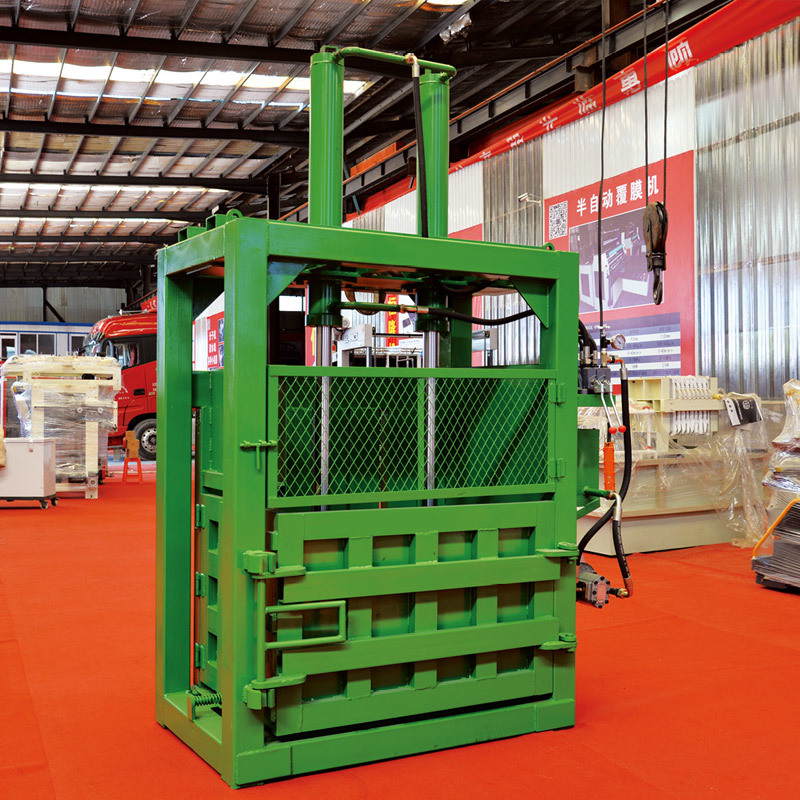
Efficiency in Motion: The Impact of Hydraulic Presses on Paper Engineering
Table of Contents
- 1. Introduction to Hydraulic Presses in Paper Engineering
- 2. Understanding Hydraulic Presses: Mechanics and Functionality
- 3. Applications of Hydraulic Presses in Paper Engineering
- 4. Advantages of Using Hydraulic Presses in Paper Manufacturing
- 5. Efficiency and Productivity: A Comparative Analysis
- 6. Case Studies: Real-World Applications of Hydraulic Presses
- 7. The Future of Hydraulic Presses in the Paper Industry
- 8. Frequently Asked Questions (FAQs)
- 9. Conclusion
1. Introduction to Hydraulic Presses in Paper Engineering
In recent years, **hydraulic presses** have emerged as an integral part of the paper engineering sector. These machines offer unparalleled **efficiency** and precision in the production of various paper products. By utilizing the principles of hydraulics, these presses can apply immense force with minimal effort, making them ideal for tasks that require high levels of accuracy and consistency. In this article, we will explore how hydraulic presses impact the paper engineering industry, focusing on their functionality, applications, advantages, and the future of this technology.
2. Understanding Hydraulic Presses: Mechanics and Functionality
To appreciate the role of hydraulic presses in paper engineering, it’s essential to understand their mechanics. **Hydraulic presses** operate on Pascal's principle, which states that a change in pressure applied to an enclosed fluid is transmitted undiminished throughout the fluid. This principle allows hydraulic systems to generate significant force, which is critical for various manufacturing processes.
2.1 How Hydraulic Presses Work
A hydraulic press consists of a cylinder filled with hydraulic fluid. When pressure is applied to the fluid, it creates a force that pushes down on a piston. This force can be amplified through a system of levers and gears, allowing for the pressing of materials with precision. The ability to control the speed and pressure of the pressing action leads to optimal results in paper manufacturing.
2.2 Key Components of Hydraulic Presses
- **Hydraulic Cylinder**: Converts hydraulic energy into mechanical energy.
- **Piston**: The moving part that applies force to the material being pressed.
- **Hydraulic Fluid**: Transmits force and lubricates the system.
- **Control Valves**: Regulate the flow of hydraulic fluid, allowing for precise control.
3. Applications of Hydraulic Presses in Paper Engineering
Hydraulic presses find a diverse range of applications in the paper engineering industry, each contributing to the quality and efficiency of the final product.
3.1 Sheet Formation
In the initial stages of paper production, hydraulic presses play a critical role in forming sheets from pulp. The ability to exert controlled pressure helps in consolidating the fibers to create a uniform sheet.
3.2 Cutting and Die-Cutting
Hydraulic presses are widely used for cutting and die-cutting paper products. The precision of hydraulic systems ensures clean edges and intricate designs, enhancing the aesthetic appeal of products.
3.3 Embossing and Stamping
These presses are also utilized for embossing and stamping, adding texture and branding to paper goods. This process benefits from the consistent force that hydraulic presses provide.
4. Advantages of Using Hydraulic Presses in Paper Manufacturing
The adoption of hydraulic presses in paper engineering brings numerous advantages that contribute to enhanced production processes.
4.1 Energy Efficiency
Hydraulic presses are renowned for their energy efficiency. They require less energy to operate compared to mechanical presses, resulting in lower operational costs.
4.2 Precision and Consistency
The ability to control pressure and speed leads to greater precision in manufacturing. This consistency is crucial in maintaining product quality and reducing waste.
4.3 Versatility
Hydraulic presses are versatile machines capable of performing various tasks, from simple sheet formation to complex cutting and embossing processes.
4.4 Reduced Maintenance
With fewer moving parts and robust designs, hydraulic presses typically require less maintenance, resulting in lower downtime and increased productivity.
5. Efficiency and Productivity: A Comparative Analysis
When examining the efficiency and productivity of hydraulic presses in contrast to other pressing technologies, several factors come into play.
5.1 Speed of Operation
Hydraulic presses can operate at varying speeds, allowing manufacturers to optimize production cycles. They can be programmed for quick adjustments, enhancing overall throughput.
5.2 Labor Costs
The automation capabilities of hydraulic presses reduce the need for manual intervention, leading to lower labor costs and minimizing human error.
5.3 Quality Control Metrics
The consistency provided by hydraulic presses results in fewer defects, contributing to a higher yield of quality products. This reliability is a significant advantage in competitive markets.
6. Case Studies: Real-World Applications of Hydraulic Presses
Examining real-world applications can illustrate how hydraulic presses are transforming the paper engineering landscape.
6.1 Case Study: XYZ Paper Company
XYZ Paper Company integrated hydraulic presses into their production line, resulting in a 30% increase in output while reducing waste by 15%. Their investment in hydraulic technology has significantly improved their profit margins.
6.2 Case Study: ABC Packaging Solutions
ABC Packaging Solutions utilized hydraulic presses for their die-cutting processes. This shift allowed them to achieve intricate designs and reduced production time by 25%, positioning them as leaders in their niche market.
7. The Future of Hydraulic Presses in the Paper Industry
As technology evolves, so too does the functionality of hydraulic presses. Innovations in automation, connectivity, and material science are poised to revolutionize their application further.
7.1 Smart Hydraulic Systems
The emergence of smart hydraulic systems will enhance the functionality of these presses, allowing for real-time monitoring and adjustments, thus optimizing production processes.
7.2 Sustainable Practices
As the industry moves towards sustainability, hydraulic presses equipped with eco-friendly hydraulic fluids and energy-efficient designs will play a pivotal role in reducing the environmental impact of paper manufacturing.
8. Frequently Asked Questions (FAQs)
8.1 What are hydraulic presses used for in paper engineering?
Hydraulic presses are used for various applications, including sheet formation, cutting, die-cutting, and embossing in paper manufacturing.
8.2 How do hydraulic presses improve production efficiency?
Hydraulic presses enhance production efficiency by offering precision, consistency, and versatility, allowing for optimized manufacturing processes.
8.3 Are hydraulic presses energy-efficient?
Yes, hydraulic presses are typically more energy-efficient than mechanical presses, resulting in lower operational costs.
8.4 What are the maintenance requirements for hydraulic presses?
Hydraulic presses generally require less maintenance due to their fewer moving parts, making them a cost-effective choice for manufacturers.
8.5 Can hydraulic presses be automated?
Yes, many modern hydraulic presses can be integrated into automated systems, reducing labor costs and increasing production efficiency.
9. Conclusion
Hydraulic presses have revolutionized the paper engineering industry by enhancing efficiency, precision, and versatility in production processes. Their ability to operate with controlled force and speed brings significant advantages, including reduced waste, lower operational costs, and improved product quality. As we look to the future, advancements in technology promise to further elevate the role of hydraulic presses in shaping the landscape of paper manufacturing. Embracing these innovations will enable businesses to thrive in a competitive market, ensuring that hydraulic presses remain vital in the quest for excellence in paper engineering.
Related Posts

Two methods of repairing hydraulic waste paper packer
Repair of hydraulic waste paper packer is a comprehensive process activity which is far more complex than maintenance technology. Workers are required to be familiar with and proficient in the operation of vehicle

Why is waste paper packing machine an environmental protection machine with superior performance
The patent technology of fast pressurization, that is to say, under the condition of keeping the power displacement of the motor oil pump constant, improves the upper limit of the pressure of the oil cylinder
Contact Us
E-mail :
fengwei666@hbfwbzjx.cn
Phone/WhatsApp:
+86-15350765366
Address:
Dongguang county south industrial zone, cangzhou city, hebei province


Packaging machinery solutions,
Equipment and accessories for any industry.

Call Us On:
Tel: +86-15350765366
Dongguang county south industrial zone, cangzhou city, hebei province
Catalog