
Optimizing Efficiency in Cardboard Production Lines: Key Insights for Manufacturers
In the realm of manufacturing, the cardboard production line plays a pivotal role in the packaging industry, specifically in the creation of various paper-based products. A well-structured cardboard production line is essential for ensuring consistent quality and efficiency. The production process typically consists of several key stages: pulping, forming, drying, and converting.
The first stage,
Nov 16,2024
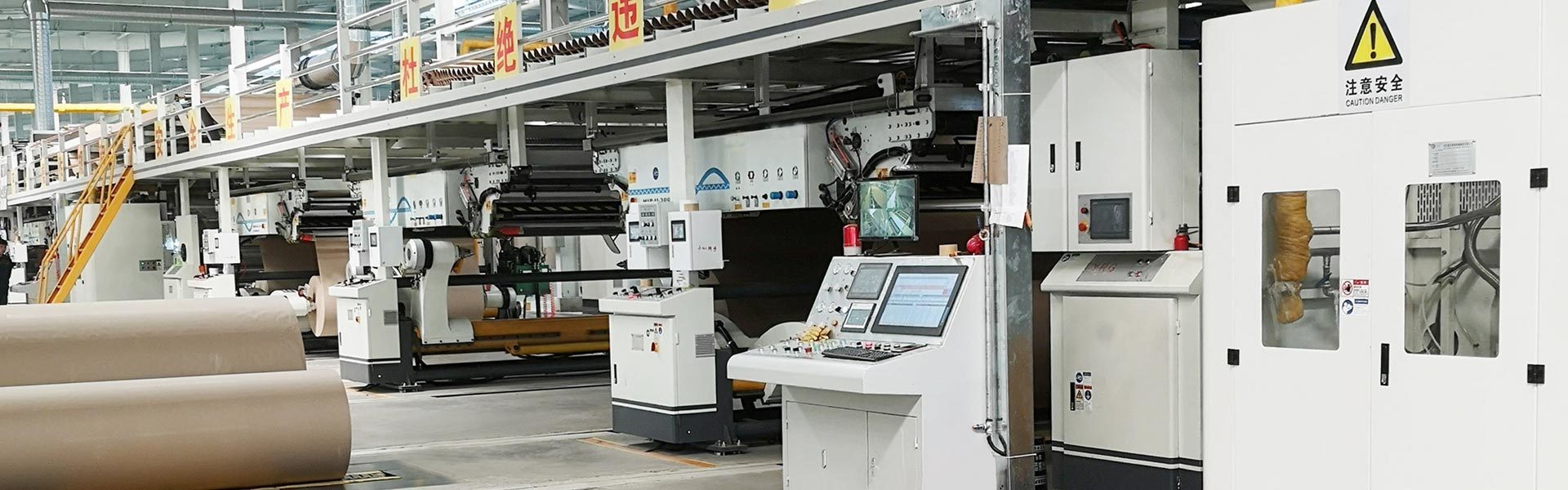
In the realm of manufacturing, the cardboard production line plays a pivotal role in the packaging industry, specifically in the creation of various paper-based products. A well-structured cardboard production line is essential for ensuring consistent quality and efficiency. The production process typically consists of several key stages: pulping, forming, drying, and converting.
The first stage, pulping, involves breaking down raw materials—primarily wood fibers—into a slurry. This mixture is then refined to remove impurities and achieve the desired cellulose consistency. Efficient pulping techniques can significantly affect the quality of the final cardboard product, making it imperative for manufacturers to invest in advanced pulping technologies.
Once the pulp is prepared, the next phase is forming. Here, the slurry is spread onto a moving wire mesh to eliminate excess water, forming a wet sheet. This stage is crucial as it directly influences the thickness and texture of the cardboard. Utilizing high-quality forming equipment and ensuring optimal wire mesh conditions can enhance the sheet formation process.
Following forming, the wet sheet goes through the drying process, which is vital for achieving the correct moisture content and strength. Advanced drying technologies, such as infrared or hot air drying, can substantially reduce energy consumption while maintaining product integrity. Streamlining the drying process not only boosts production speed but also minimizes energy costs.
The final stage of a cardboard production line is converting, where the dried sheets are cut, scored, and folded into specific shapes for various packaging applications. This process can include several machinery types, such as die-cutters and folder-gluers. To optimize efficiency in this phase, integrating automated systems can reduce labor costs and enhance precision.
In addition to understanding the production stages, it’s essential for manufacturers to focus on quality control throughout the entire process. Implementing real-time monitoring systems can help in identifying potential issues early, ensuring that the final product meets industry standards.
Moreover, sustainability is becoming a significant factor in cardboard production. Manufacturers are increasingly adopting eco-friendly practices, such as utilizing recycled paper and reducing waste during production. Implementing a circular economy model can not only improve the environmental footprint but also appeal to environmentally conscious consumers.
In conclusion, a well-optimized cardboard production line can greatly enhance the efficiency and quality of packaging products. By focusing on advanced technologies and sustainable practices, manufacturers can position themselves competitively in the ever-evolving packaging industry. Understanding each phase of the production process, from pulping to converting, is essential for achieving operational excellence and delivering high-quality cardboard products.
The first stage, pulping, involves breaking down raw materials—primarily wood fibers—into a slurry. This mixture is then refined to remove impurities and achieve the desired cellulose consistency. Efficient pulping techniques can significantly affect the quality of the final cardboard product, making it imperative for manufacturers to invest in advanced pulping technologies.
Once the pulp is prepared, the next phase is forming. Here, the slurry is spread onto a moving wire mesh to eliminate excess water, forming a wet sheet. This stage is crucial as it directly influences the thickness and texture of the cardboard. Utilizing high-quality forming equipment and ensuring optimal wire mesh conditions can enhance the sheet formation process.
Following forming, the wet sheet goes through the drying process, which is vital for achieving the correct moisture content and strength. Advanced drying technologies, such as infrared or hot air drying, can substantially reduce energy consumption while maintaining product integrity. Streamlining the drying process not only boosts production speed but also minimizes energy costs.
The final stage of a cardboard production line is converting, where the dried sheets are cut, scored, and folded into specific shapes for various packaging applications. This process can include several machinery types, such as die-cutters and folder-gluers. To optimize efficiency in this phase, integrating automated systems can reduce labor costs and enhance precision.
In addition to understanding the production stages, it’s essential for manufacturers to focus on quality control throughout the entire process. Implementing real-time monitoring systems can help in identifying potential issues early, ensuring that the final product meets industry standards.
Moreover, sustainability is becoming a significant factor in cardboard production. Manufacturers are increasingly adopting eco-friendly practices, such as utilizing recycled paper and reducing waste during production. Implementing a circular economy model can not only improve the environmental footprint but also appeal to environmentally conscious consumers.
In conclusion, a well-optimized cardboard production line can greatly enhance the efficiency and quality of packaging products. By focusing on advanced technologies and sustainable practices, manufacturers can position themselves competitively in the ever-evolving packaging industry. Understanding each phase of the production process, from pulping to converting, is essential for achieving operational excellence and delivering high-quality cardboard products.
Related Posts

Two methods of repairing hydraulic waste paper packer
Repair of hydraulic waste paper packer is a comprehensive process activity which is far more complex than maintenance technology. Workers are required to be familiar with and proficient in the operation of vehicle

Why is waste paper packing machine an environmental protection machine with superior performance
The patent technology of fast pressurization, that is to say, under the condition of keeping the power displacement of the motor oil pump constant, improves the upper limit of the pressure of the oil cylinder
Contact Us
E-mail :
fengwei666@hbfwbzjx.cn
Phone/WhatsApp:
+86-15350765366
Address:
Dongguang county south industrial zone, cangzhou city, hebei province


Packaging machinery solutions,
Equipment and accessories for any industry.

Call Us On:
Tel: +86-15350765366
Dongguang county south industrial zone, cangzhou city, hebei province
Catalog