
Maximize Output with Semi-Automatic Paper Feeding Innovation: Revolutionizing the Paper Packaging Industry
Sep 30,2024
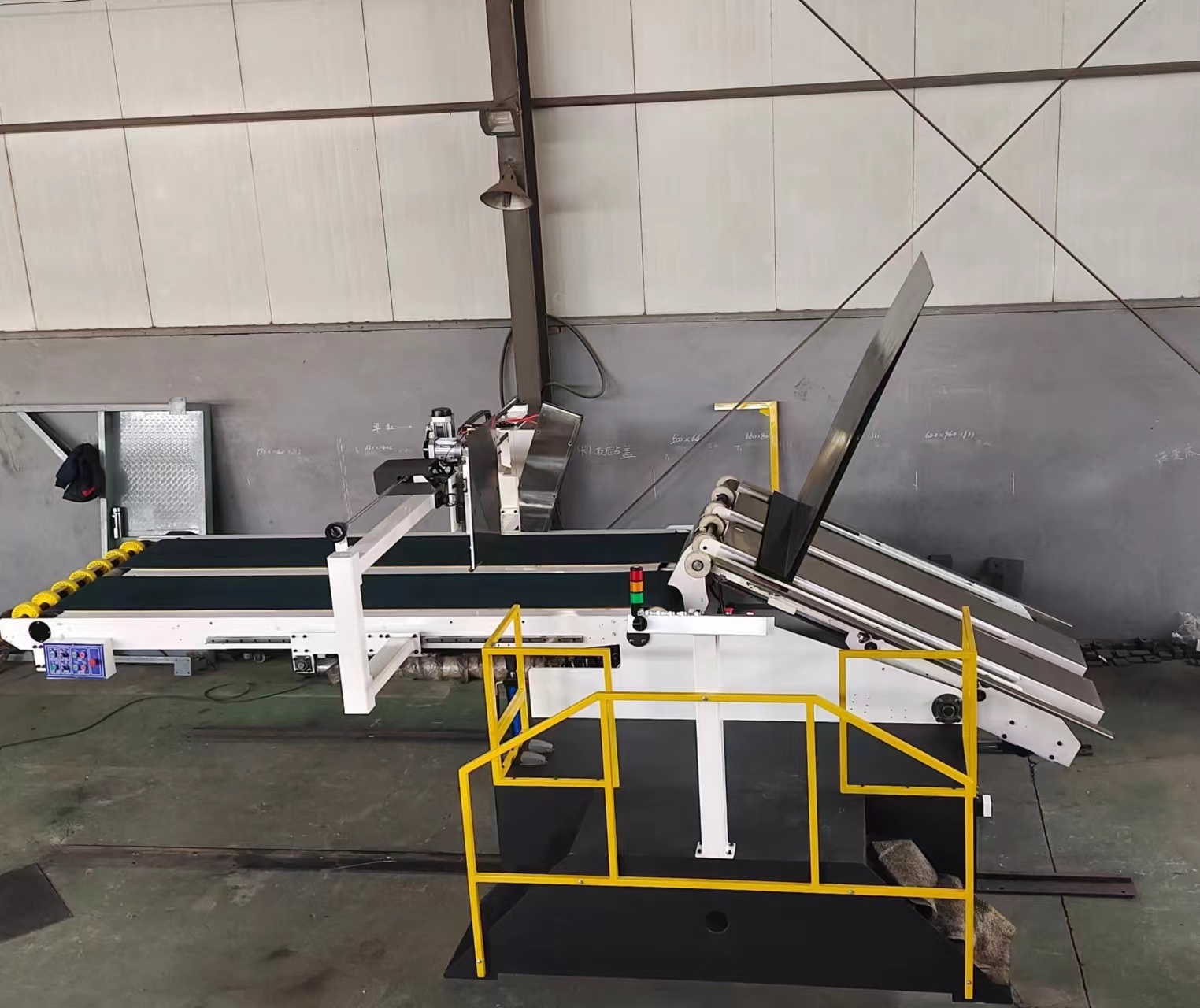
Maximize Output with Semi-Automatic Paper Feeding Innovation
Table of Contents
1. Introduction to Semi-Automatic Paper Feeding
2. Understanding the Mechanics of Semi-Automatic Paper Feeders
3. Benefits of Semi-Automatic Paper Feeding Systems
4. How Semi-Automatic Feeders Enhance Productivity
5. Comparing Semi-Automatic and Fully Automatic Systems
6. Key Features to Look for in a Semi-Automatic Paper Feeding System
7. Future Trends in Paper Feeding Technologies
8. FAQs about Semi-Automatic Paper Feeding Innovations
9. Conclusion
1. Introduction to Semi-Automatic Paper Feeding
In the fast-paced world of the paper packaging industry, **efficiency** and **output** are paramount. The introduction of **semi-automatic paper feeding systems** has revolutionized how manufacturers approach their operations. These systems blend the best of both manual and fully automatic processes, offering a unique solution that maximizes productivity while maintaining a high level of quality control.
The essence of semi-automatic paper feeding lies in its ability to streamline operations, reduce labor costs, and enhance production timelines, making it an invaluable asset for any manufacturing facility.
2. Understanding the Mechanics of Semi-Automatic Paper Feeders
Semi-automatic paper feeders operate on an innovative mechanism that requires minimal manual intervention while providing automated benefits. These systems typically consist of:
2.1 Feed Mechanism
The feed mechanism is designed to accurately and consistently deliver sheets of paper to the main processing unit. This can involve various technologies, including:
- **Belt feed systems**: Utilize a series of belts to move paper efficiently.
- **Rollers**: Mechanically grip and advance sheets with precision.
2.2 Control Systems
Modern semi-automatic feeders integrate sophisticated control systems, such as **programmable logic controllers (PLCs)**, allowing operators to set parameters for speed, alignment, and sheet count.
2.3 Sensor Technology
Advanced sensors monitor paper flow and detect potential jams, ensuring smooth operation and minimizing downtime.
3. Benefits of Semi-Automatic Paper Feeding Systems
Integrating **semi-automatic paper feeding systems** into production lines offers numerous advantages:
3.1 Increased Efficiency
With reduced manual handling, these systems can operate at higher speeds, drastically increasing output per hour compared to fully manual processes.
3.2 Cost Savings
By minimizing labor costs and waste, manufacturers can significantly improve their bottom line. Reduced paper waste also contributes to lower material costs.
3.3 Enhanced Quality Control
Semi-automatic feeders provide consistent sheet delivery, reducing the likelihood of defects caused by misaligned or poorly fed paper.
4. How Semi-Automatic Feeders Enhance Productivity
The capability of semi-automatic feeders to operate efficiently translates directly into enhanced productivity. Here's how:
4.1 Streamlined Workflow
By automating the feeding process, manufacturers can focus their labor on other critical areas, increasing overall operational efficiency.
4.2 Faster Changeover Times
These systems often allow for quicker adjustments between different paper sizes and types, reducing downtime during production runs.
5. Comparing Semi-Automatic and Fully Automatic Systems
While both semi-automatic and fully automatic systems aim to enhance productivity, they serve different needs:
5.1 Cost Considerations
Fully automatic systems typically have a higher initial investment but may offer greater efficiency for larger production volumes. In contrast, semi-automatic systems provide a cost-effective solution for smaller to medium-sized operations.
5.2 Operator Engagement
Semi-automatic systems require some level of human oversight, making them suitable for facilities where manual quality checks are essential. Fully automatic systems, however, operate largely independently.
6. Key Features to Look for in a Semi-Automatic Paper Feeding System
When selecting a semi-automatic paper feeding system, consider the following features:
6.1 Adjustable Feed Speed
The ability to adjust feed speed allows operators to customize the system based on the specific requirements of their production runs.
6.2 Easy Integration
Choose a system compatible with existing machinery to ensure seamless integration with minimal disruption.
6.3 Maintenance Accessibility
Look for systems designed for easy maintenance to minimize downtime and keep production running smoothly.
7. Future Trends in Paper Feeding Technologies
As the paper packaging industry evolves, so do the technologies supporting it. Here are some trends to watch:
7.1 Smart Technology Integration
The rise of **Industry 4.0** means that future semi-automatic feeders may incorporate more smart technologies, allowing for real-time monitoring and adjustments.
7.2 Sustainability Focus
With increasing emphasis on sustainability, future systems may utilize eco-friendly materials and processes to minimize environmental impact.
8. FAQs about Semi-Automatic Paper Feeding Innovations
8.1 What is a semi-automatic paper feeding system?
A semi-automatic paper feeding system automates the feeding of paper sheets into machinery while still requiring some manual input, offering a balance between efficiency and control.
8.2 How does a semi-automatic feeder improve production?
By reducing manual handling and increasing feeding accuracy, semi-automatic feeders enhance overall production speed and decrease waste.
8.3 Are semi-automatic feeders suitable for small businesses?
Yes, they are cost-effective solutions that can significantly benefit small to medium-sized businesses by optimizing output without the higher costs associated with fully automatic systems.
8.4 What types of sensors are used in these systems?
Common sensors include photoelectric sensors, ultrasonic sensors, and proximity sensors, which help monitor paper flow and detect jams.
8.5 What maintenance is required for semi-automatic feeders?
Regular maintenance typically includes cleaning, lubrication of moving parts, and periodic checks of sensor functionality to ensure optimal performance.
9. Conclusion
The integration of **semi-automatic paper feeding innovations** represents a significant advancement for the paper packaging industry. By maximizing output and streamlining processes, these systems not only improve efficiency but also enhance product quality and reduce operational costs. As manufacturers continue to seek ways to optimize their production lines, embracing semi-automatic solutions will be key to staying competitive in an ever-evolving market. Investing in these technologies today could lead to substantial benefits tomorrow, ensuring sustainable growth and profitability in the future.
Related Posts

Two methods of repairing hydraulic waste paper packer

Why is waste paper packing machine an environmental protection machine with superior performance
Contact Us
E-mail :
fengwei666@hbfwbzjx.cn
Phone/WhatsApp:
+86-15350765366
Address:
Dongguang county south industrial zone, cangzhou city, hebei province


Packaging machinery solutions,
Equipment and accessories for any industry.

Call Us On:
Tel: +86-15350765366
Dongguang county south industrial zone, cangzhou city, hebei province
Catalog