
Understanding the Technology Behind Fitter Plate Type Dust Collectors: A Comprehensive Guide
Oct 24,2024
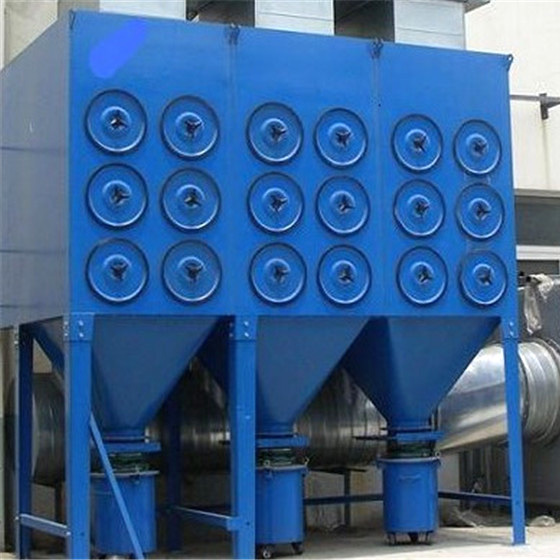
Understanding the Technology Behind Fitter Plate Type Dust Collectors
Table of Contents
- What Are Fitter Plate Type Dust Collectors?
- The Importance of Dust Collection in Industrial Settings
- How Fitter Plate Type Dust Collectors Work
- Key Components of Fitter Plate Type Dust Collectors
- Advantages of Using Fitter Plate Type Dust Collectors
- Applications of Fitter Plate Type Dust Collectors
- Maintenance and Best Practices for Fitter Plate Dust Collectors
- Common Issues and Troubleshooting Tips
- Future Trends in Dust Collection Technology
- Frequently Asked Questions
What Are Fitter Plate Type Dust Collectors?
Fitter plate type dust collectors are specialized filtration systems designed to remove particulate matter from industrial exhaust air. Utilizing a series of filter plates, these collectors efficiently capture dust and other contaminants, ensuring cleaner air and compliance with environmental standards. Their innovative design facilitates effective airflow management and dust separation, making them essential in various manufacturing and processing environments.
The Importance of Dust Collection in Industrial Settings
In industries such as manufacturing, woodworking, and chemical processing, dust and particulate matter can pose significant health risks to workers and environmental concerns. Implementing effective dust collection systems is crucial for:
- **Worker Safety:** Reducing respiratory hazards and maintaining a safe working environment.
- **Regulatory Compliance:** Meeting local and national air quality regulations to avoid fines and legal issues.
- **Equipment Longevity:** Preventing dust accumulation on machinery, which can lead to malfunctions and costly repairs.
- **Operational Efficiency:** Enhancing production processes by maintaining cleaner workspaces and air quality.
How Fitter Plate Type Dust Collectors Work
Fitter plate dust collectors operate using a combination of filtration and gravitational separation. The primary steps involved in the dust collection process include:
1. **Airflow Induction:** Contaminated air enters the dust collector through an intake duct.
2. **Filtration Process:** The air passes through a series of filter plates. As the air moves, dust particles become trapped on the surface of the plates.
3. **Gravitational Separation:** Heavier particles settle at the bottom of the collector, while cleaner air is expelled through an exhaust outlet.
4. **Automatic Cleaning:** Many systems incorporate an automatic cleaning mechanism, such as pulse jet or shaker systems, to dislodge collected dust from the filter plates, ensuring consistent performance.
Key Components of Fitter Plate Type Dust Collectors
Understanding the integral components of fitter plate type dust collectors is essential for optimizing their performance:
- **Filter Plates:** The core element of the system, designed to capture and hold dust particles.
- **Cleaning Mechanism:** Automated systems that periodically clean filter plates to maintain airflow.
- **Fan and Motor:** Creates the necessary suction to draw contaminated air into the collector.
- **Dust Storage Container:** Collects and stores the dust removed from the air, allowing for easy disposal.
- **Control System:** Monitors and regulates airflow and cleaning cycles to enhance efficiency.
Advantages of Using Fitter Plate Type Dust Collectors
Fitter plate type dust collectors offer numerous advantages, including:
- **High Filtration Efficiency:** Capable of capturing fine dust particles, ensuring cleaner air quality.
- **Space Efficiency:** Their compact design allows for installation in limited spaces without sacrificing performance.
- **Low Maintenance Costs:** Robust construction and automatic cleaning mechanisms reduce the frequency of manual maintenance.
- **Versatility:** Suitable for various applications across different industries, accommodating diverse dust types.
- **Energy Efficiency:** Designed to operate efficiently, minimizing energy consumption while maximizing output.
Applications of Fitter Plate Type Dust Collectors
Fitter plate type dust collectors are versatile and can be utilized in a multitude of industries, including:
- **Woodworking:** Capturing sawdust and wood shavings.
- **Metalworking:** Removing metal shavings and grinding dust.
- **Pharmaceuticals:** Ensuring clean environments free from harmful particulates.
- **Food Processing:** Controlling flour and other food dust to maintain hygiene.
- **Chemical Manufacturing:** Eliminating hazardous dust from production processes.
Maintenance and Best Practices for Fitter Plate Dust Collectors
Regular maintenance is vital for ensuring the longevity and efficiency of fitter plate type dust collectors. Here are some best practices:
- **Routine Inspections:** Schedule periodic checks to assess the condition of filter plates and other components.
- **Cleaning Schedule:** Establish a cleaning cycle based on operational needs and dust accumulation rates.
- **Monitor Performance:** Use control systems to track airflow and detect any significant drops in efficiency.
- **Replace Worn Components:** Timely replacement of worn out or damaged parts is essential for optimal performance.
- **Training Personnel:** Ensure that staff are trained in the operation and maintenance of dust collectors.
Common Issues and Troubleshooting Tips
While fitter plate type dust collectors are efficient, they may encounter some common issues:
- **Reduced Airflow:** This could be caused by clogged filter plates or an inefficient fan. Regular cleaning and inspections can help maintain optimal airflow.
- **Increased Dust Leakage:** If dust is escaping, it may indicate a fault in the sealing or a damaged filter plate. Inspect seals and replace damaged components promptly.
- **Noisy Operation:** Unusual noises may signal mechanical issues. Investigate and resolve any mechanical failures immediately.
Future Trends in Dust Collection Technology
As industries evolve, so do the technologies associated with dust collection. Future trends may include:
- **Smart Dust Collection Systems:** Integration of IoT technology for real-time monitoring and data analysis to optimize performance.
- **Eco-friendly Materials:** Development of more sustainable filter materials to reduce environmental impact.
- **Advanced Automation:** Enhanced automation processes for improved efficiency and reduced labor costs.
Frequently Asked Questions
1. What is the lifespan of fitter plate type dust collectors?
The lifespan can vary based on usage and maintenance but generally ranges from 10 to 15 years with proper care.
2. How often should filter plates be cleaned?
Cleaning frequency depends on dust levels but should be scheduled at least every few weeks or monthly.
3. Can fitter plate dust collectors handle hazardous materials?
Yes, many fitter plate dust collectors are designed to handle hazardous materials, but appropriate safety measures must be followed.
4. What are the signs that a dust collector needs maintenance?
Signs include reduced airflow, increased dust leakage, and unusual noises during operation.
5. Are fitter plate dust collectors energy-efficient?
Yes, when properly designed and maintained, they can operate with minimal energy consumption while providing effective dust control.
Conclusion
Understanding the technology behind fitter plate type dust collectors is essential for anyone involved in industrial processes that generate dust and particulate matter. Their efficient design, coupled with numerous advantages, makes them indispensable for maintaining a safe and clean working environment. By adhering to best practices for maintenance and staying informed about future trends, industries can optimize their dust collection systems, ensuring compliance with safety standards while protecting both workers and the environment.
PREVIOUS:
Related Posts

Two methods of repairing hydraulic waste paper packer

Why is waste paper packing machine an environmental protection machine with superior performance
Contact Us
E-mail :
fengwei666@hbfwbzjx.cn
Phone/WhatsApp:
+86-15350765366
Address:
Dongguang county south industrial zone, cangzhou city, hebei province


Packaging machinery solutions,
Equipment and accessories for any industry.

Call Us On:
Tel: +86-15350765366
Dongguang county south industrial zone, cangzhou city, hebei province
Catalog