
Unlocking Efficiency: The Essential Guide to Cardboard Production Lines
Sep 09,2024
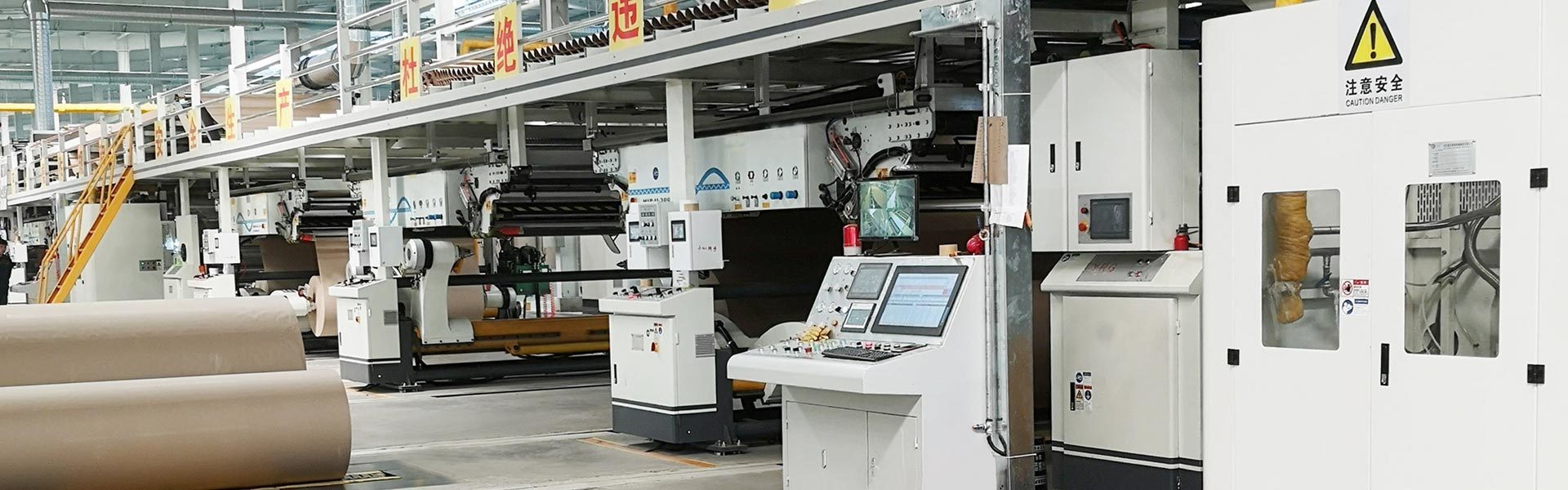
Cardboard production lines are vital in the packaging industry, especially for businesses focused on optimizing their manufacturing processes. Understanding the intricacies of these systems can significantly impact operational efficiency, product quality, and overall profitability. In this guide, we will explore the essential aspects of cardboard production lines and how they contribute to the manufacturing and processing of paper-based packaging solutions.
At the core of a cardboard production line are several interconnected components that work in harmony to produce high-quality cardboard sheets. The process typically begins with the raw material—recycled paper or virgin fiber—being fed into the pulping machine. This machine breaks down the fibers, ensuring they are adequately processed before moving on to the next stage. The quality of the pulp is crucial, as it directly affects the strength and durability of the final cardboard product.
Once the pulp is prepared, it's sent to the forming unit, where water is removed, and the fibers are laid out to create sheets. This stage requires precise control over various parameters, such as pressure and temperature, to ensure uniform thickness and quality. Advanced cardboard production lines often incorporate automated systems that monitor these parameters in real-time, allowing for quick adjustments to maintain consistency.
After the sheets are formed, they undergo a drying process, where excess moisture is eliminated. This stage is critical, as insufficient drying can lead to product deformities and a decrease in strength. Following drying, the sheets are typically coated or treated to enhance their performance characteristics, such as moisture resistance or printability, depending on their intended application.
The final stage of the cardboard production line involves cutting and converting the sheets into various sizes and shapes, ready for packaging. This can include die-cutting, folding, and gluing processes, which can all be integrated into the production line for maximum efficiency. Automated systems in this stage streamline operations, reduce waste, and ensure that the end products meet specific customer requirements.
Investing in a modern cardboard production line can yield numerous benefits for manufacturers. Enhanced automation reduces labor costs, while improved quality control systems minimize defects and rework. Additionally, sustainable practices, such as using recycled materials, are increasingly becoming a priority, allowing manufacturers to meet consumer demand for environmentally friendly packaging solutions.
In summary, a well-designed cardboard production line plays a crucial role in maximizing efficiency within the packaging sector. By understanding the processes involved and implementing modern technology, businesses can ensure they remain competitive in a rapidly evolving market. Embracing these innovations not only improves production capabilities but also contributes to a more sustainable future for the packaging industry.
Related Posts

Two methods of repairing hydraulic waste paper packer

Why is waste paper packing machine an environmental protection machine with superior performance
Contact Us
E-mail :
fengwei666@hbfwbzjx.cn
Phone/WhatsApp:
+86-15350765366
Address:
Dongguang county south industrial zone, cangzhou city, hebei province


Packaging machinery solutions,
Equipment and accessories for any industry.

Call Us On:
Tel: +86-15350765366
Dongguang county south industrial zone, cangzhou city, hebei province
Catalog