
Understanding Hydraulic Pumps: A Comprehensive Guide for Industrial Applications
Sep 15,2024
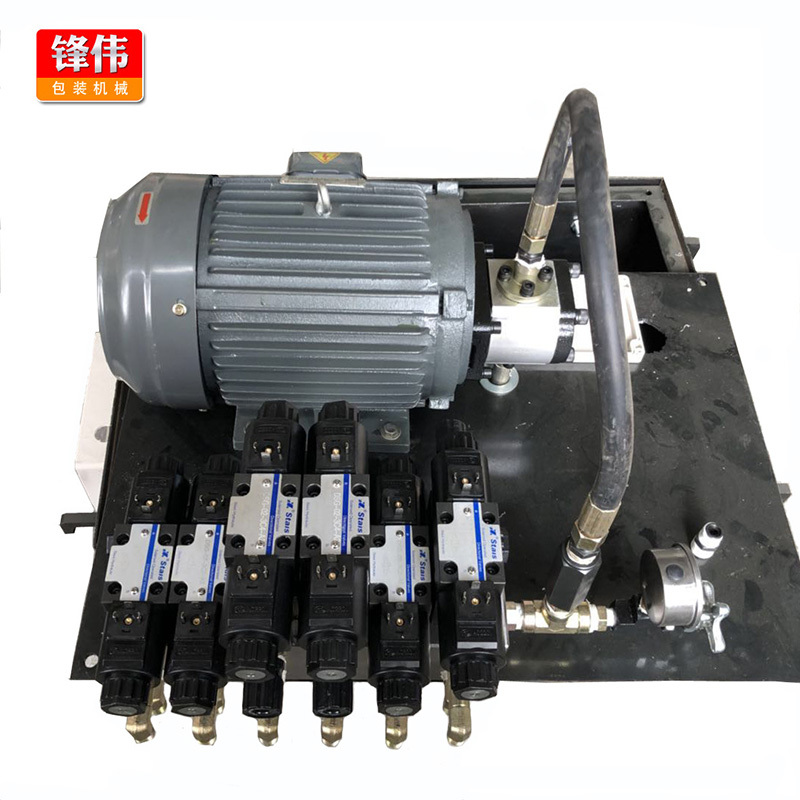
Hydraulic pumps are critical components in various industrial applications, driving the motion and control systems that power machinery and equipment. These devices convert mechanical energy into hydraulic energy, which is then used to perform work, such as lifting, pushing, or rotating. Understanding how hydraulic pumps function and their types can significantly improve efficiency and reliability in industrial operations.
There are several types of hydraulic pumps, each designed for specific applications. The most common types include gear pumps, vane pumps, and piston pumps. Gear pumps are known for their simplicity and durability, making them a popular choice for various low-pressure applications. They operate by using two gears to draw fluid into the pump and force it out under pressure. Vane pumps, on the other hand, use sliding vanes to create chambers that move fluid. They are ideal for mid-range pressures and are commonly used in mobile equipment. Piston pumps are high-performance pumps that can handle high pressure and flow rates, making them suitable for demanding applications in construction and manufacturing.
The selection of the right hydraulic pump depends on various factors, including the type of fluid being used, the required flow rate, and the operating pressure. It's essential to consider these parameters to ensure optimal performance and longevity of the pump. Additionally, regular maintenance, such as checking for leaks, changing filters, and monitoring fluid levels, is crucial to prevent downtime and extend the service life of the hydraulic pump.
Another important consideration is the hydraulic fluid itself. The choice of fluid can affect the efficiency and performance of the hydraulic system. Factors such as viscosity, temperature stability, and chemical compatibility must be taken into account when selecting the hydraulic fluid. Using the appropriate fluid can enhance the pump's efficiency and reduce wear and tear, ultimately leading to cost savings.
In conclusion, understanding hydraulic pumps is vital for anyone involved in industrial equipment and components. By familiarizing yourself with the different types, their applications, and maintenance practices, you can ensure that your hydraulic systems operate efficiently and reliably. Whether you are looking to optimize current operations or planning to integrate new systems, knowledge about hydraulic pumps will empower you to make better choices in your industrial processes.
Related Posts

Two methods of repairing hydraulic waste paper packer

Why is waste paper packing machine an environmental protection machine with superior performance
Contact Us
E-mail :
fengwei666@hbfwbzjx.cn
Phone/WhatsApp:
+86-15350765366
Address:
Dongguang county south industrial zone, cangzhou city, hebei province


Packaging machinery solutions,
Equipment and accessories for any industry.

Call Us On:
Tel: +86-15350765366
Dongguang county south industrial zone, cangzhou city, hebei province
Catalog